MORE = https://www.pacegallery.com/exhibitions/emily-kam-kngwarray-my-country/
Emily Kam Kngwarray
My Country
Past
Jun 6 – Aug 8, 2025
London
- Carousel slide 0
- Carousel slide 1
- Carousel slide 2
- Carousel slide 3
- Carousel slide 4
- Carousel slide 5
- Carousel slide 6
- Carousel slide 7
- Carousel slide 8
- Carousel slide 9
- Carousel slide 10
- Carousel slide 11
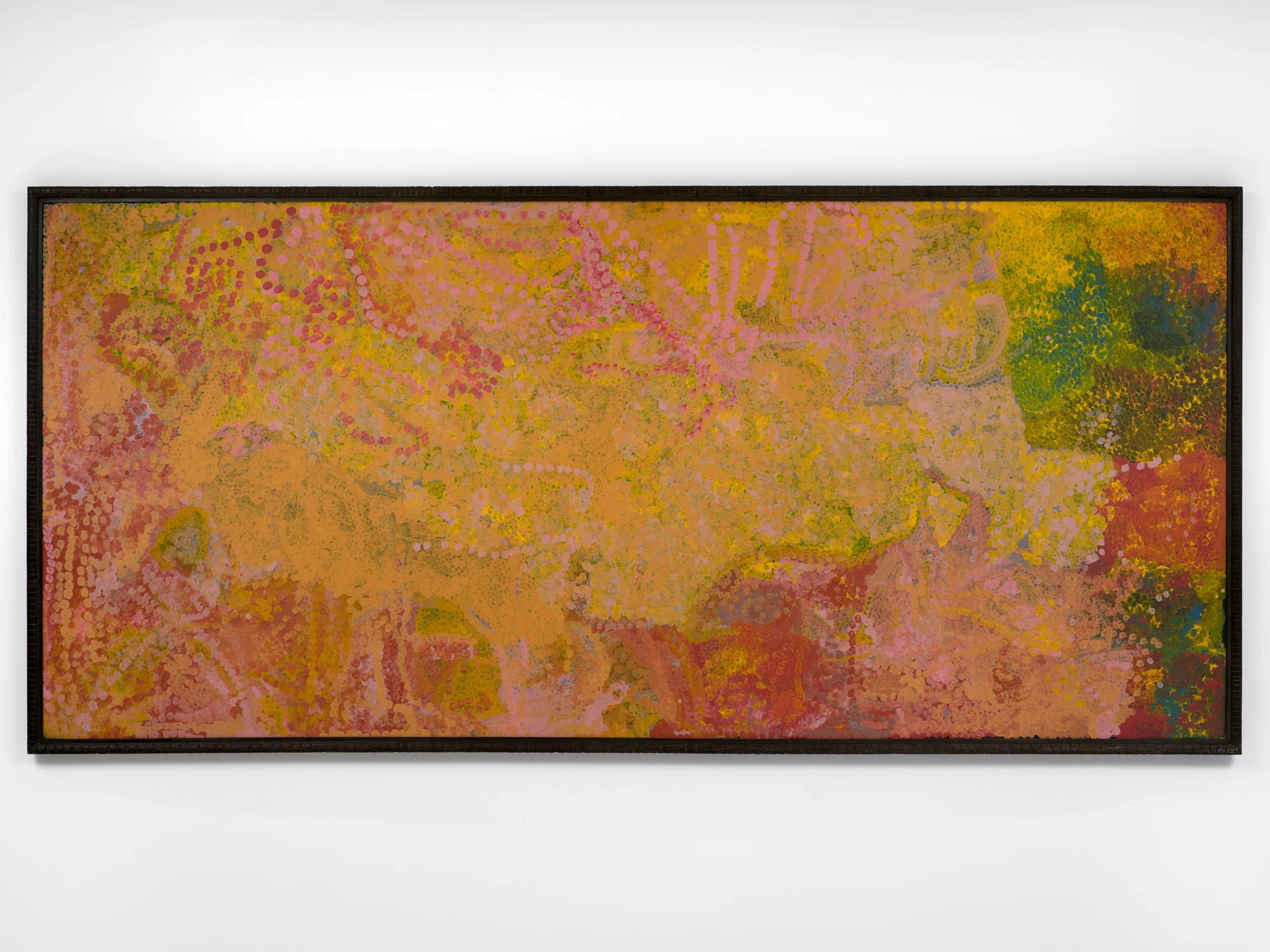
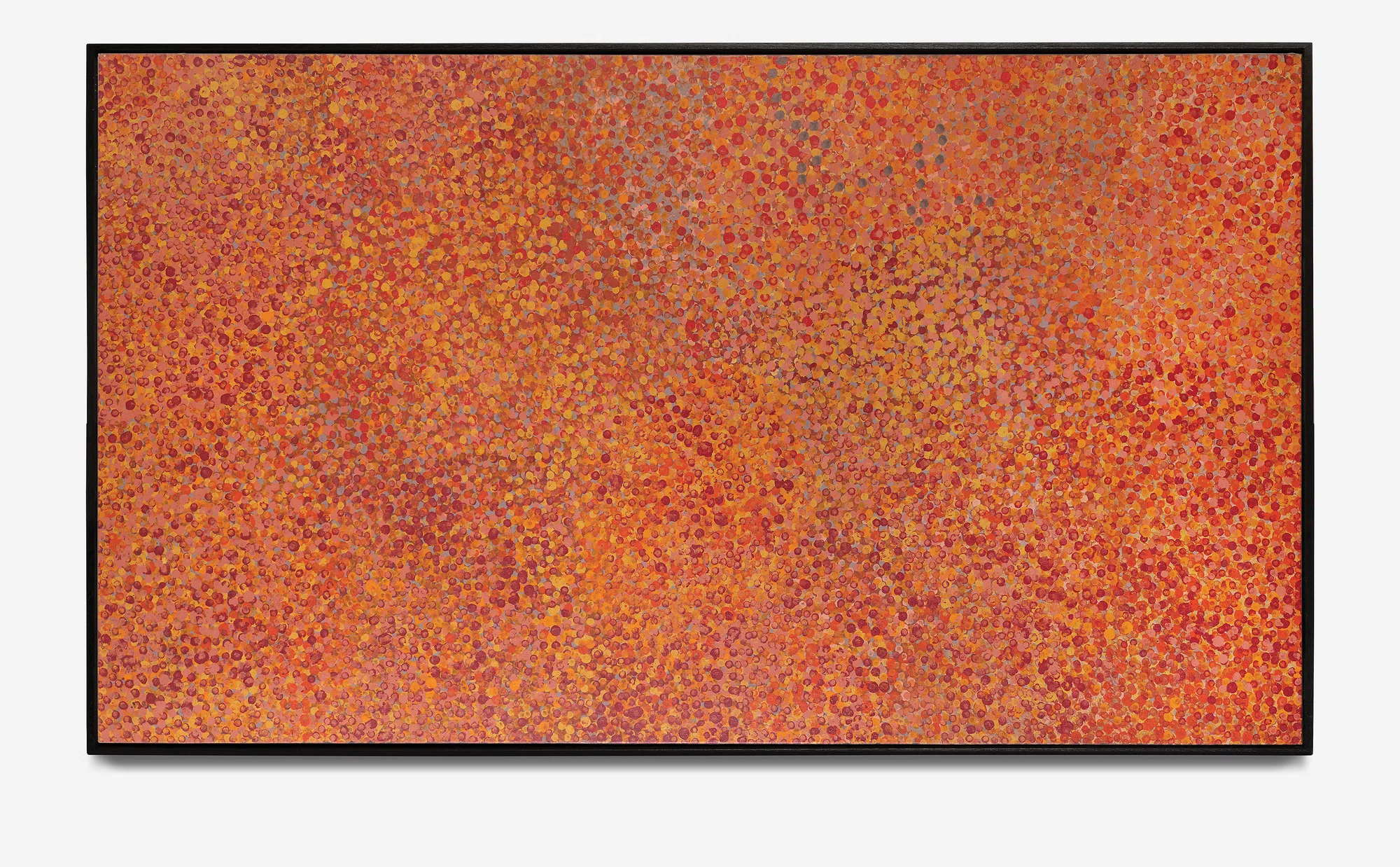
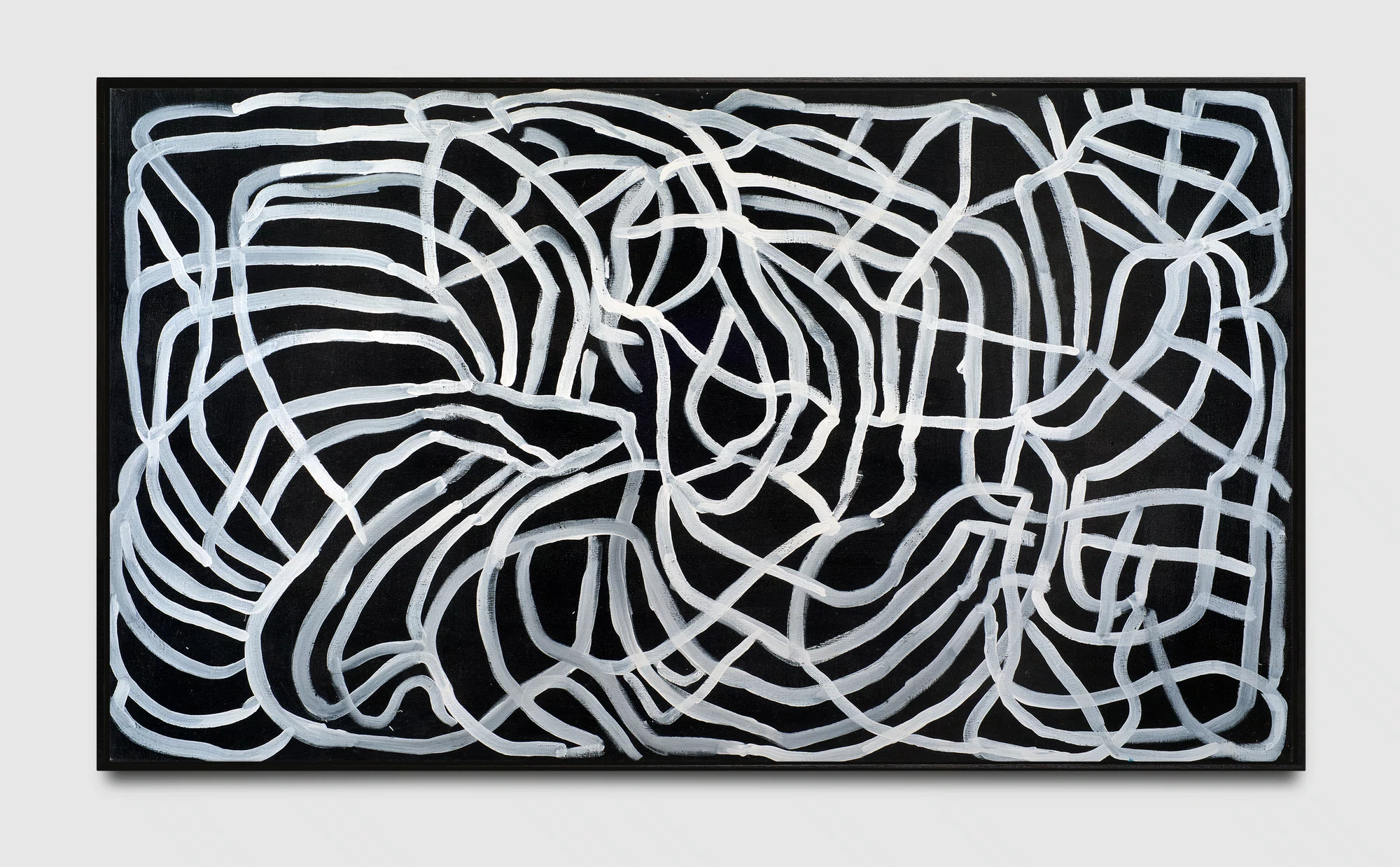
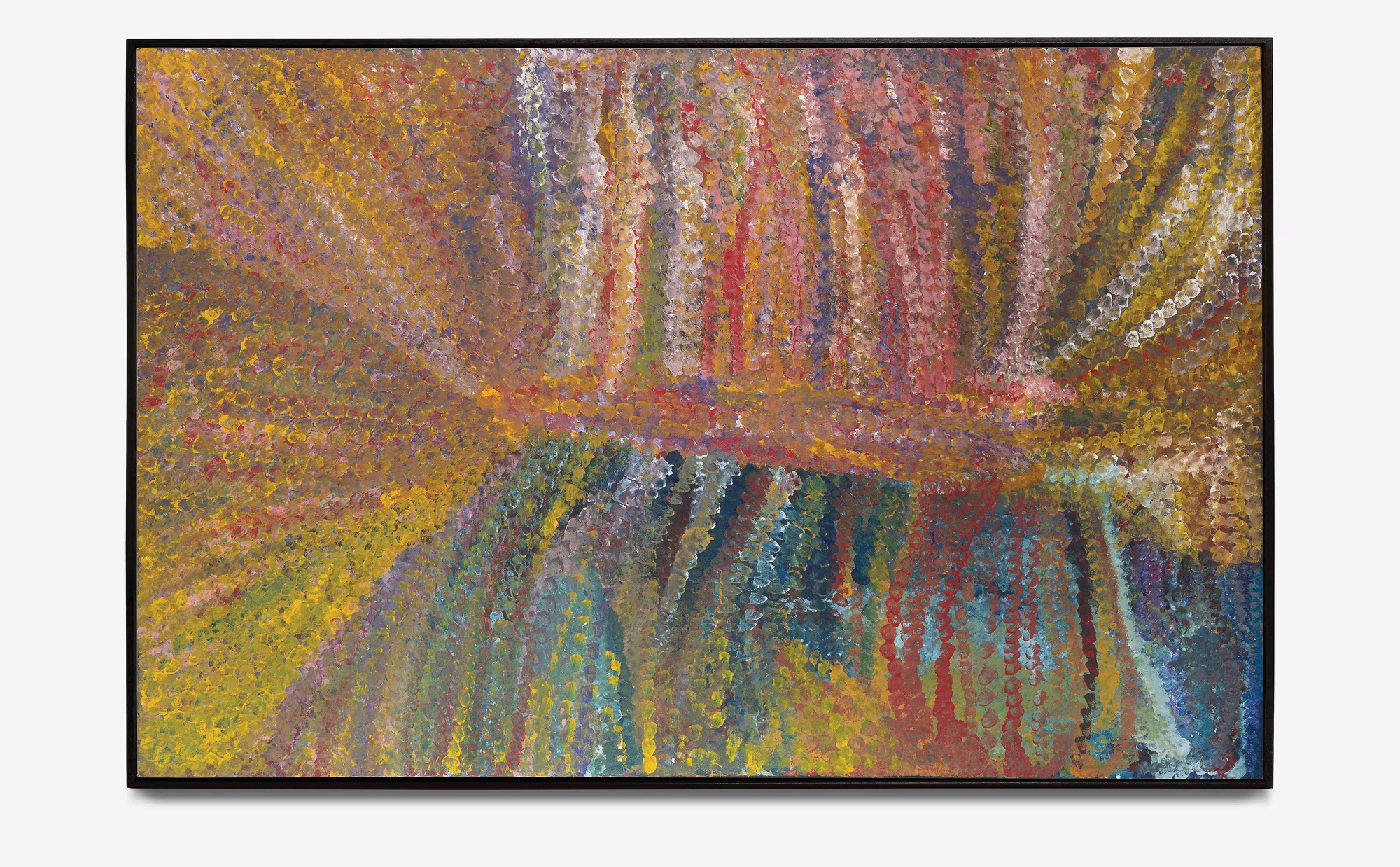
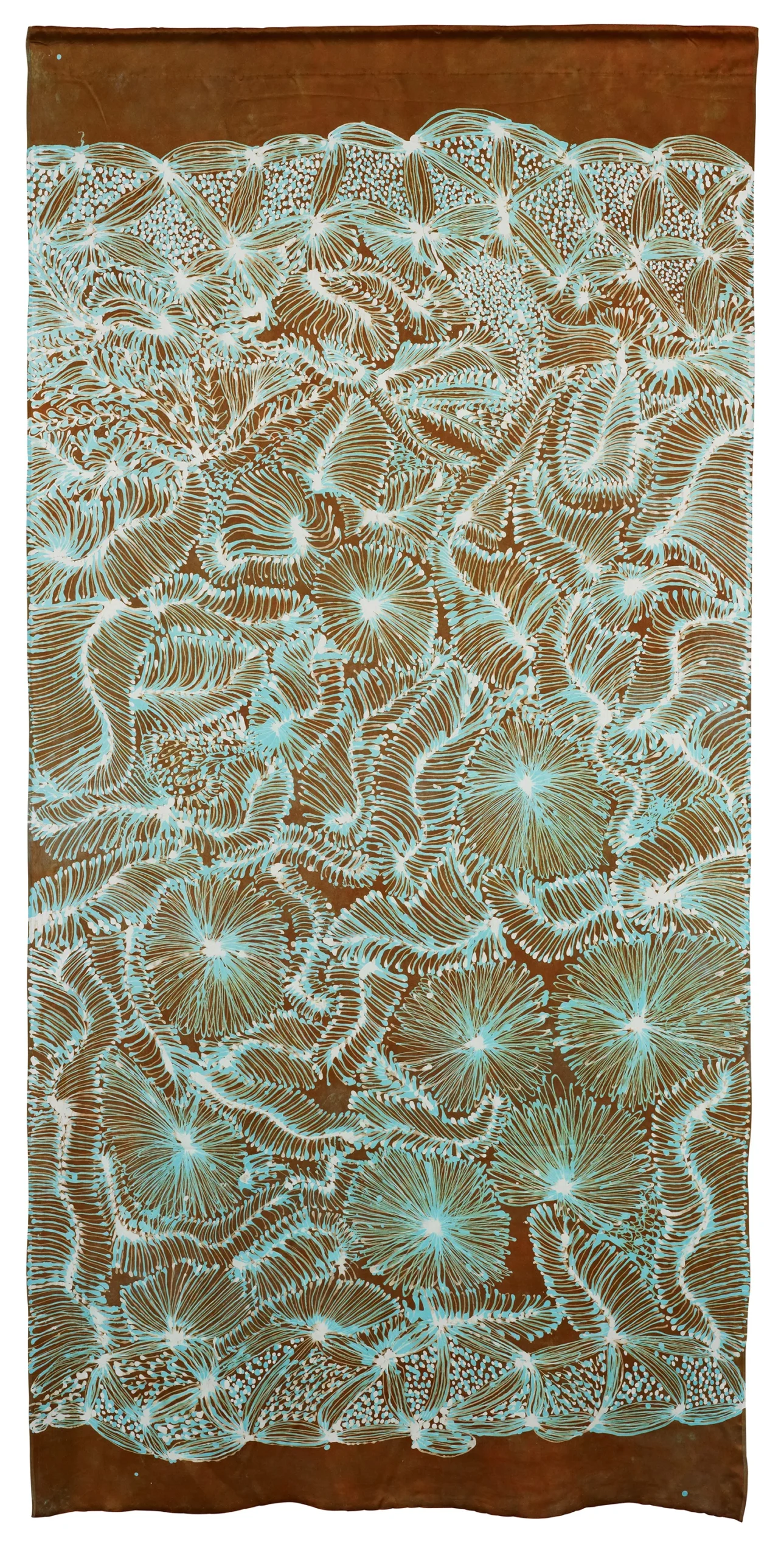
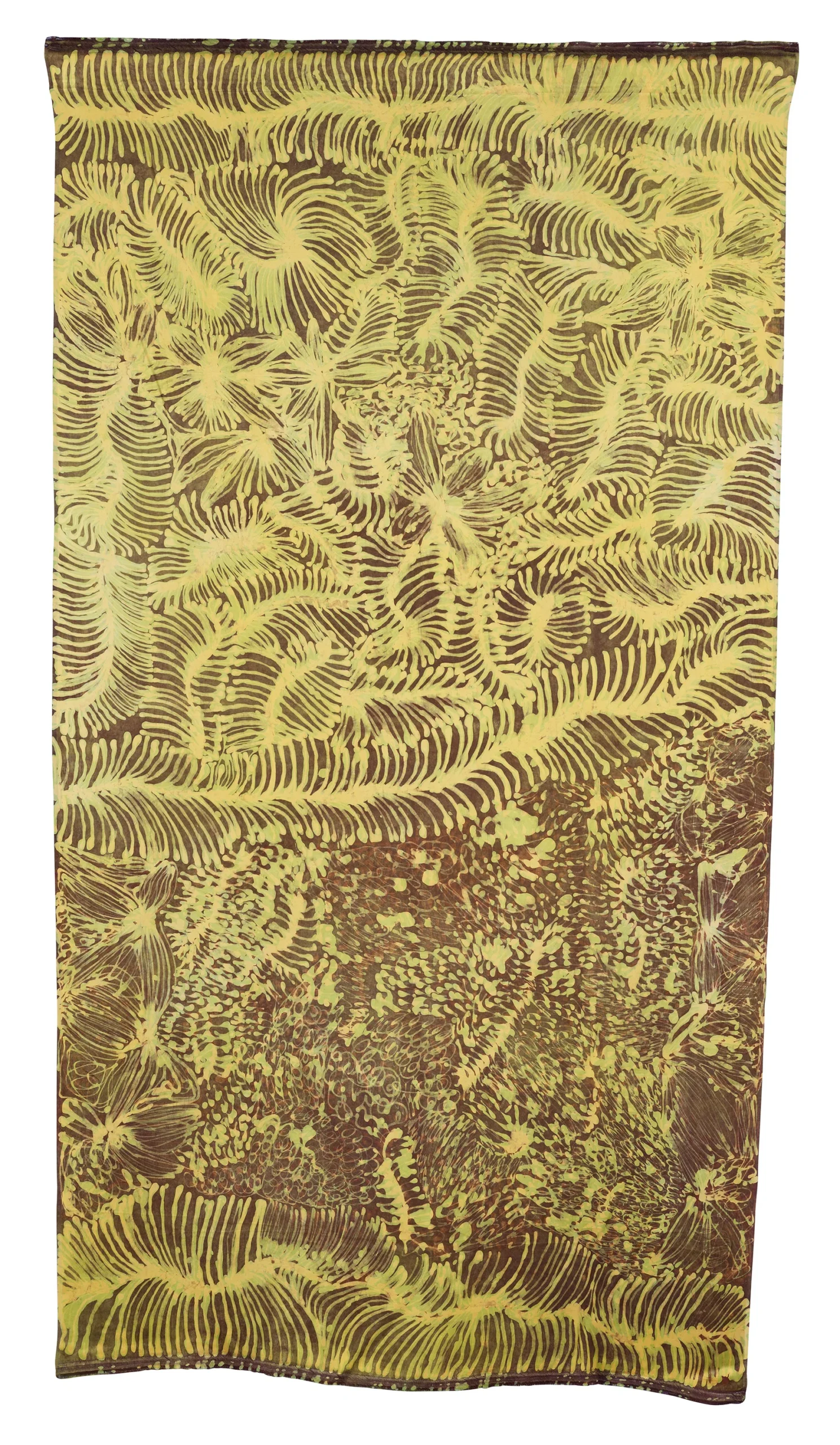
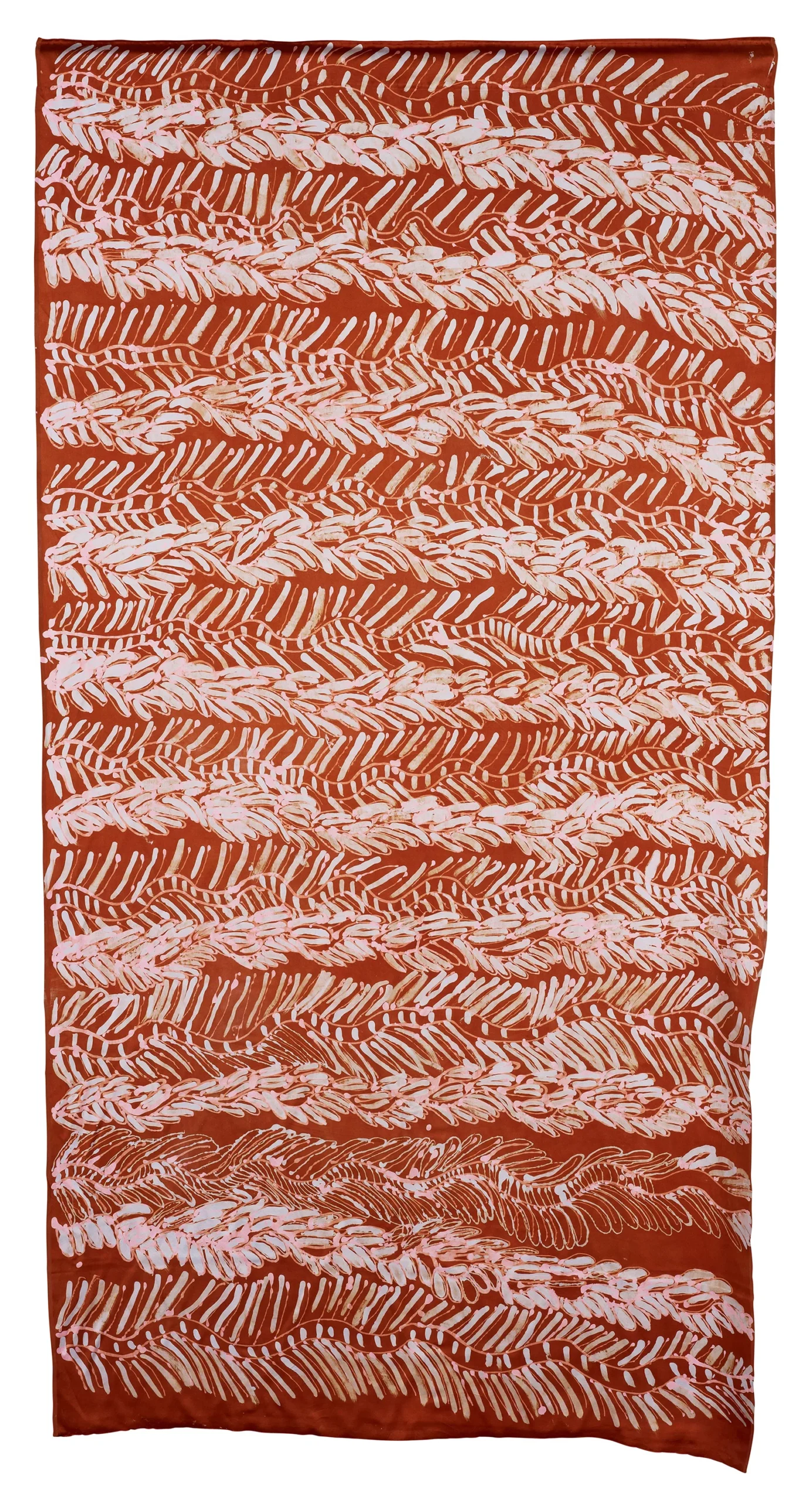
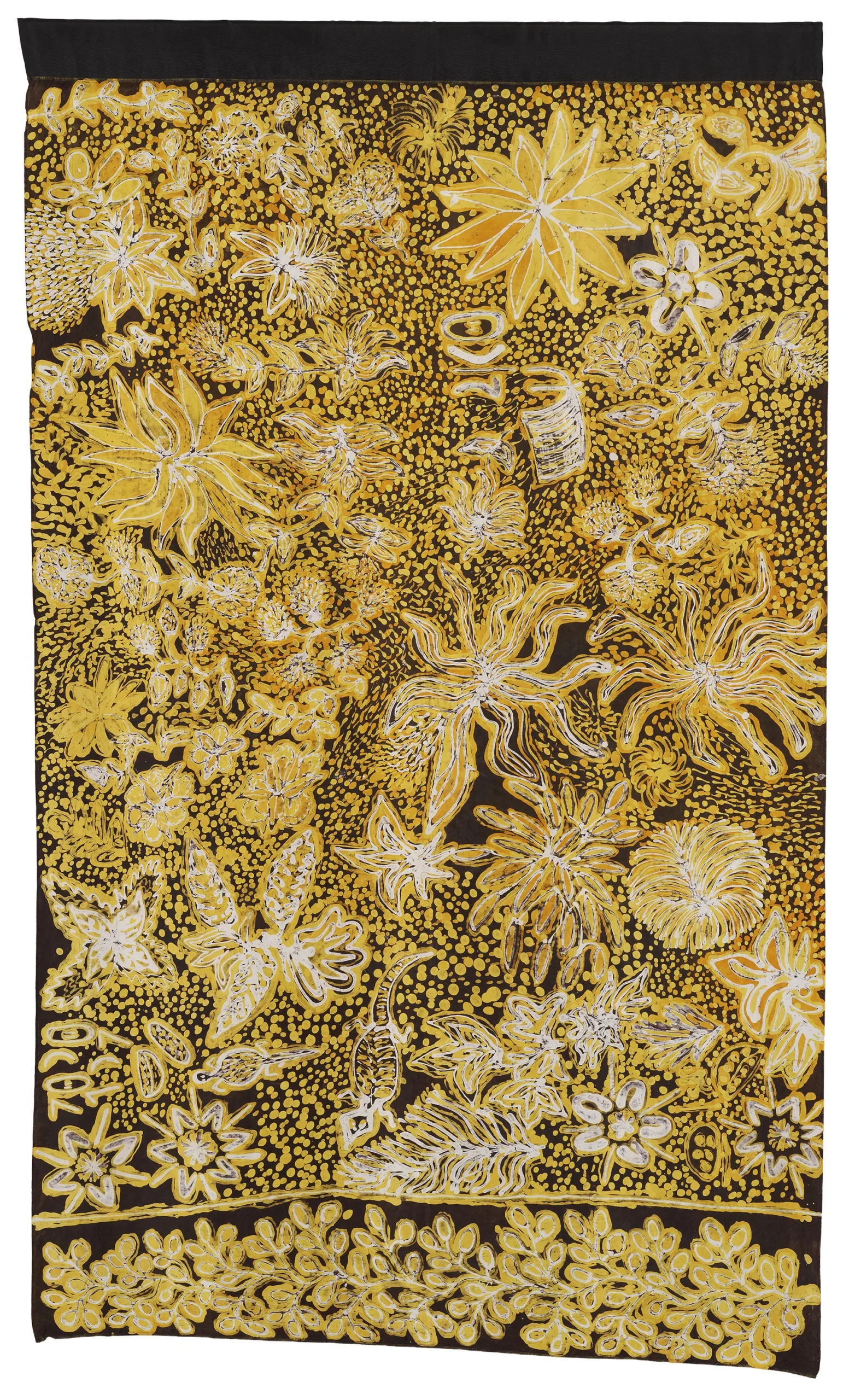
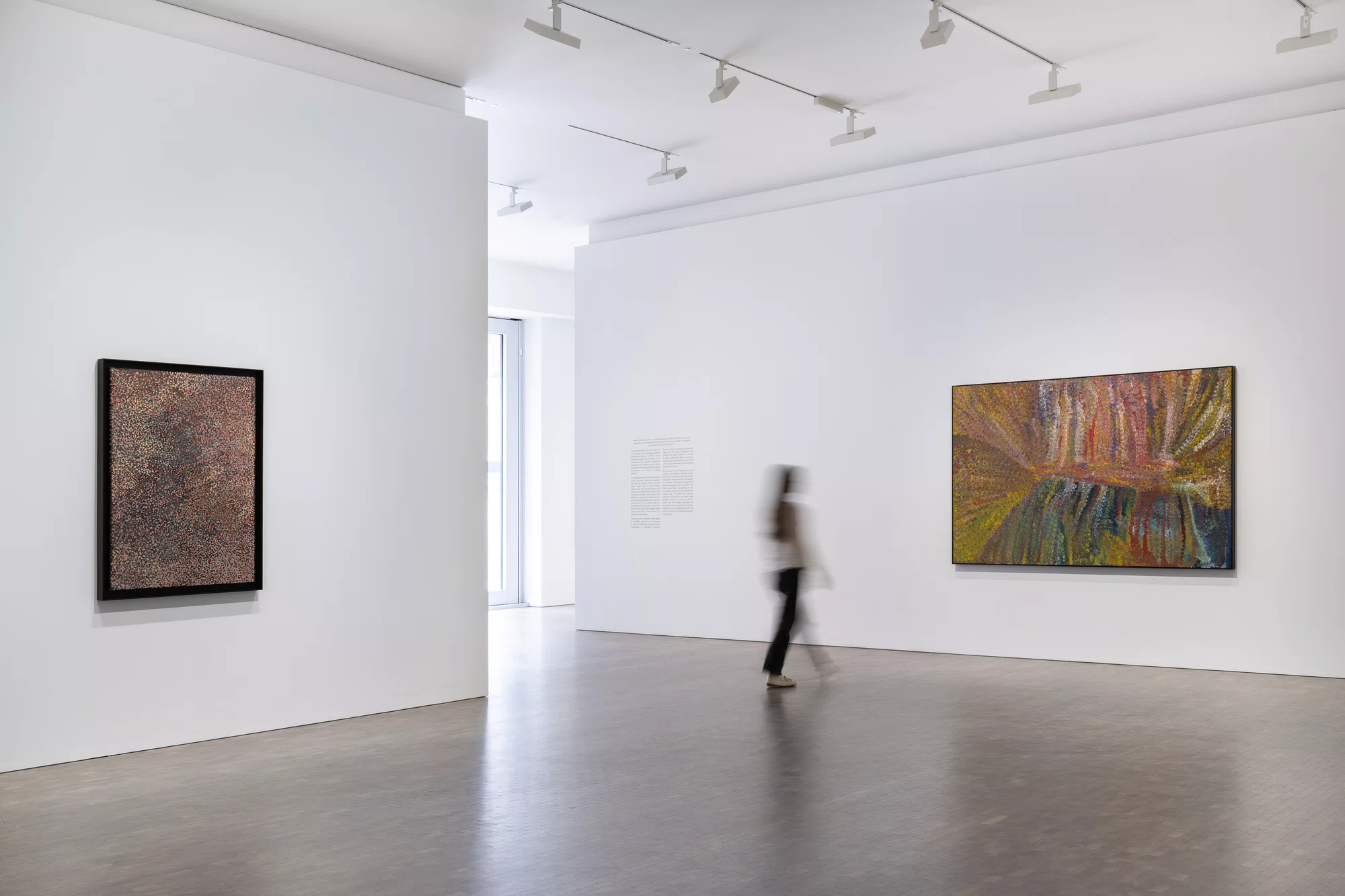
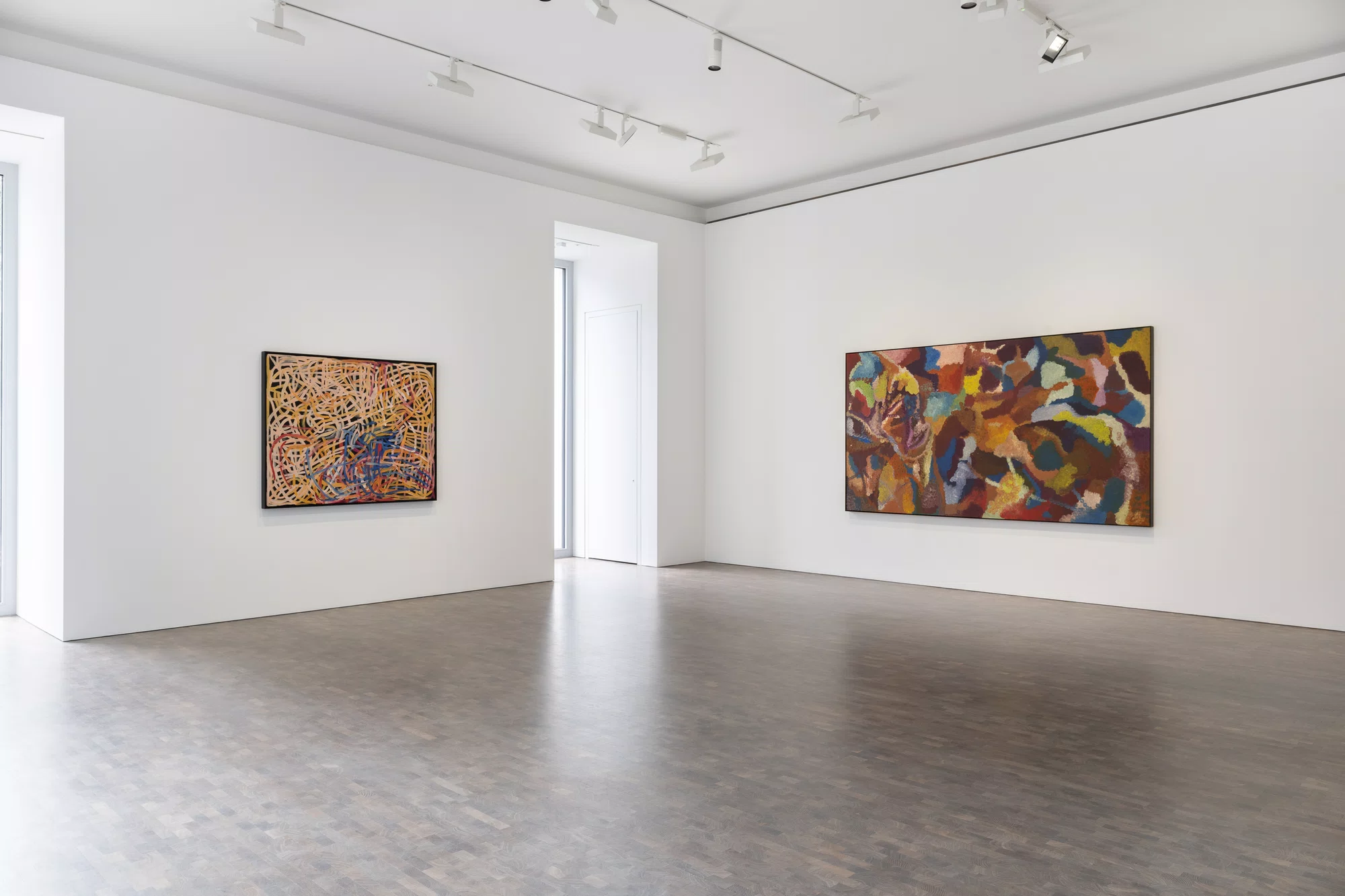
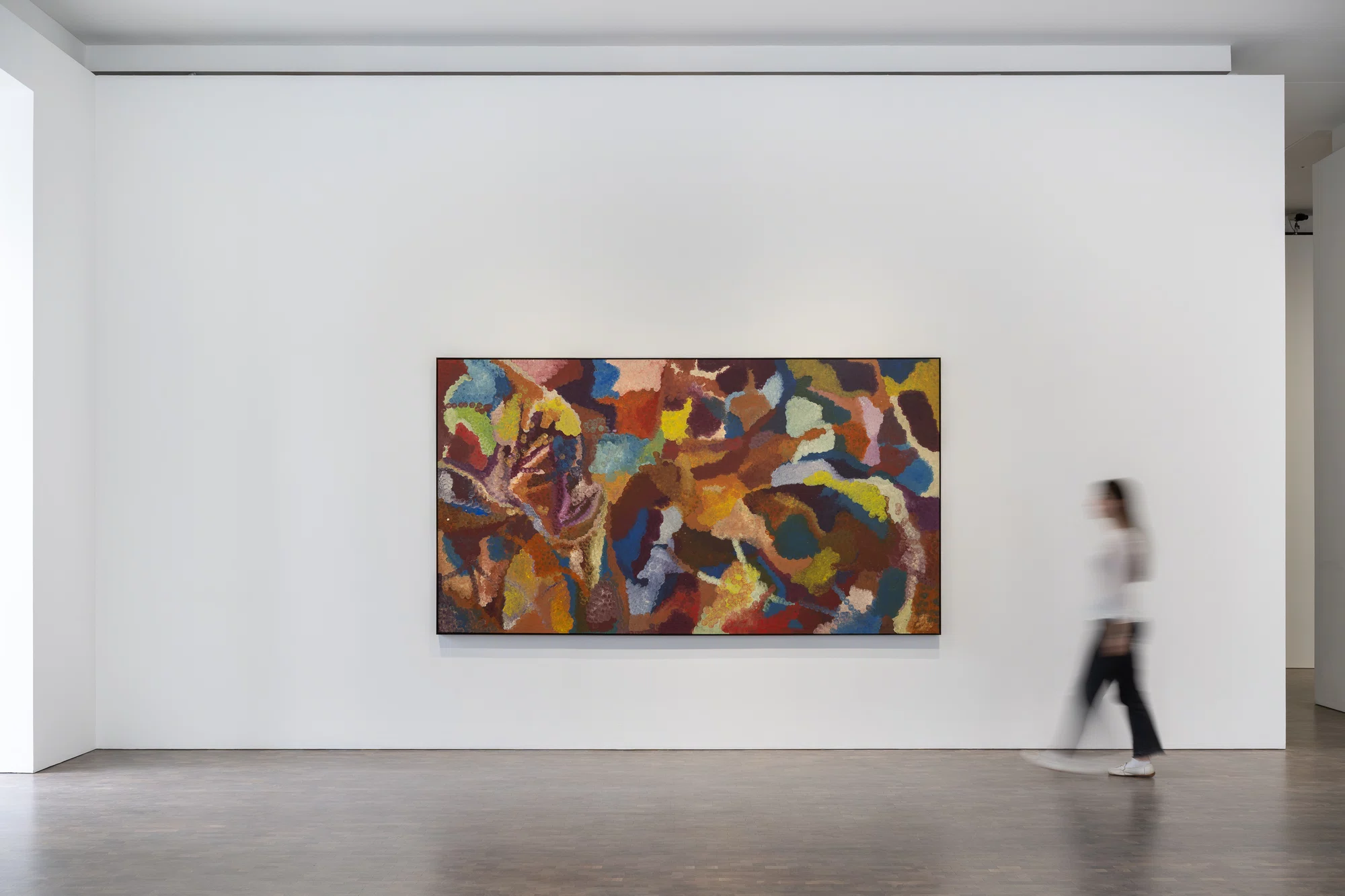
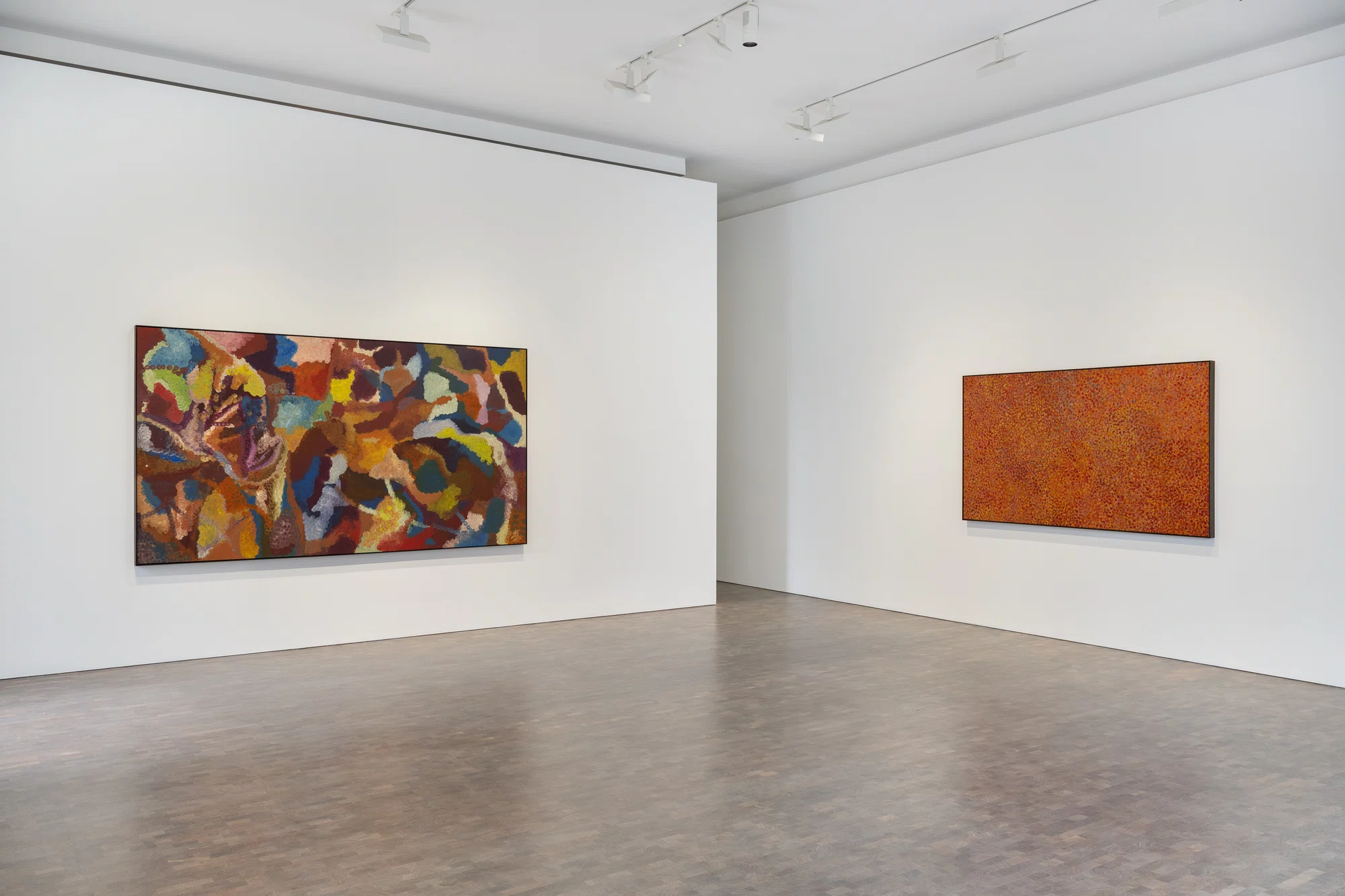
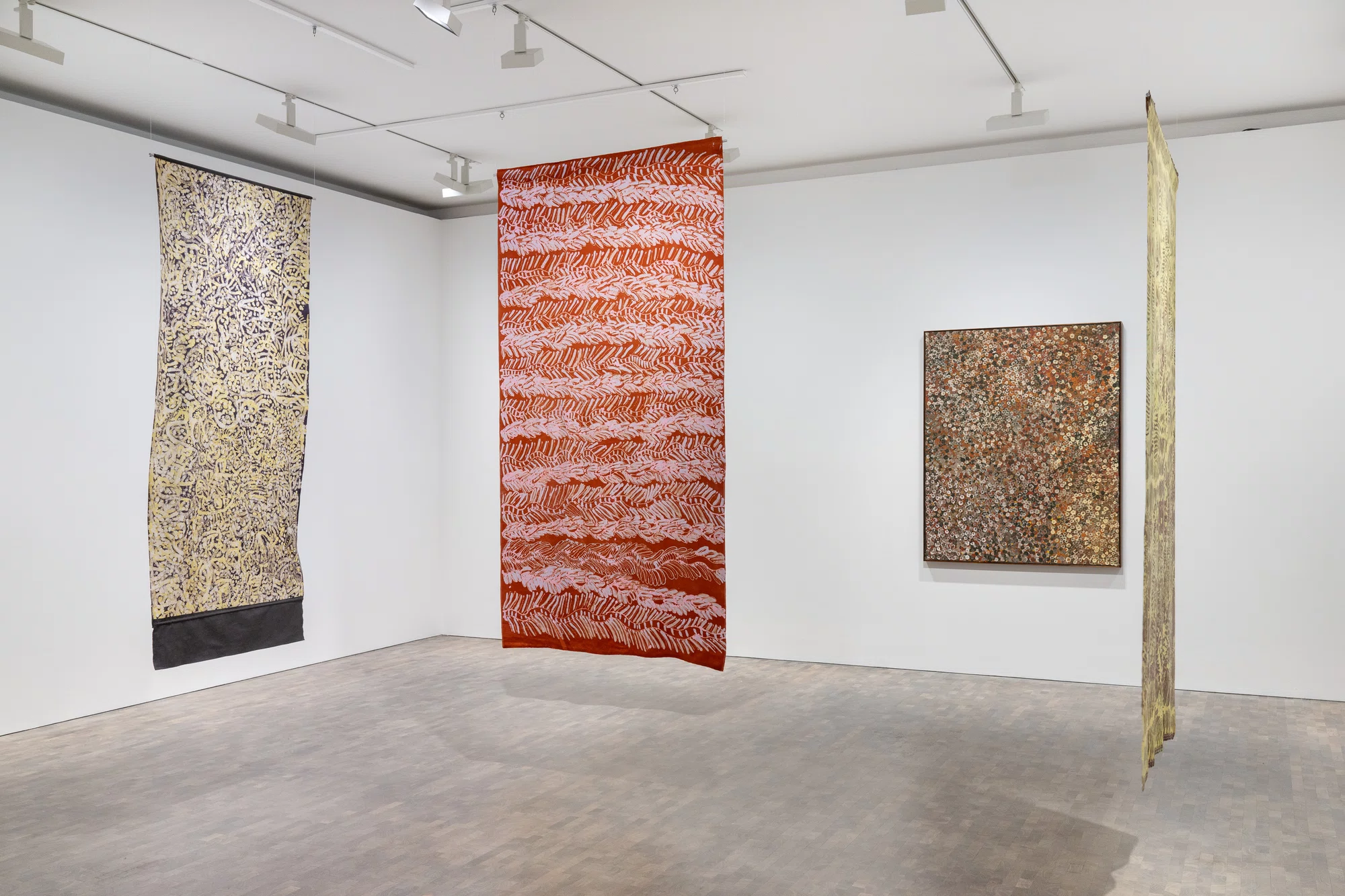
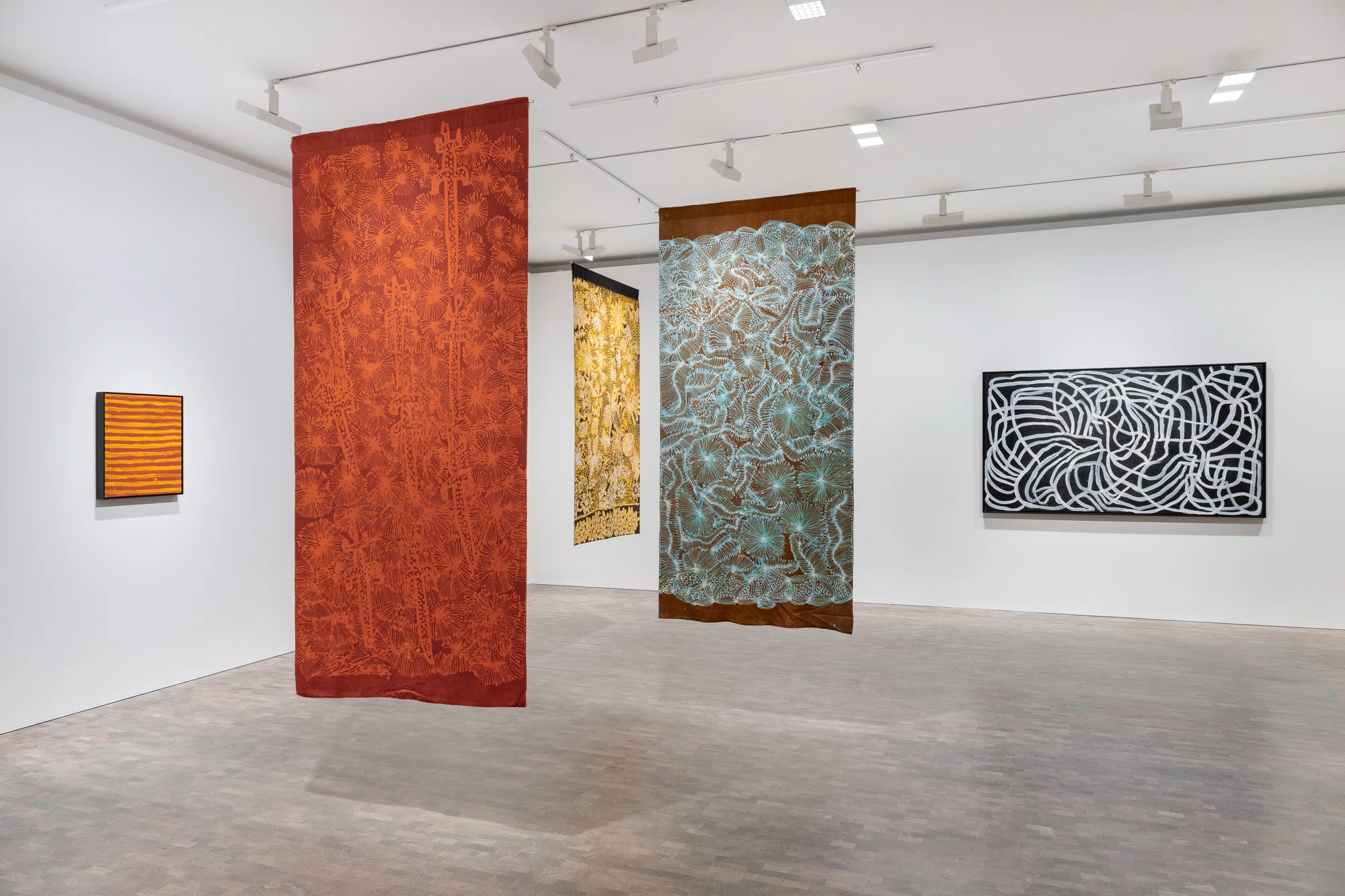
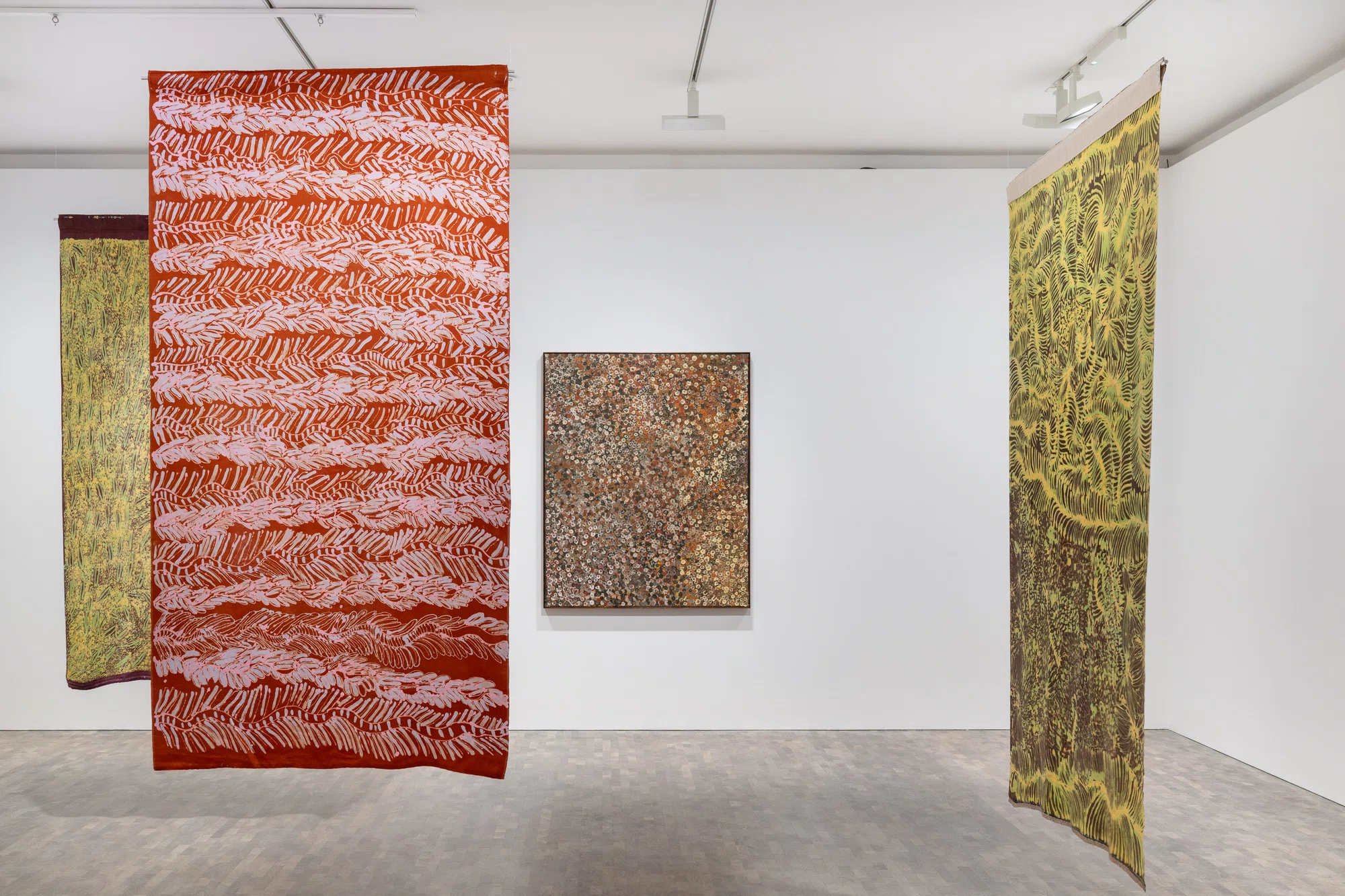
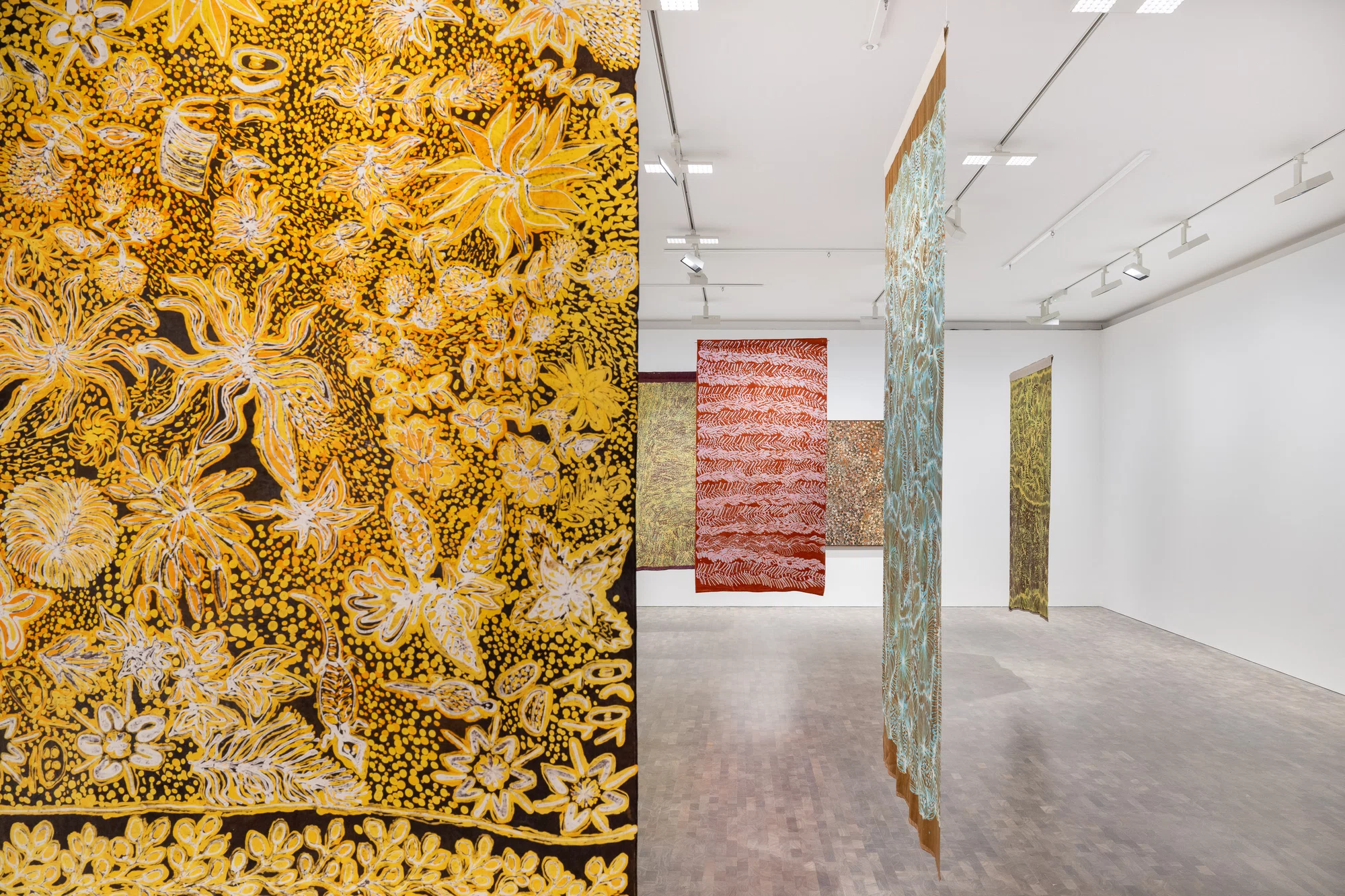
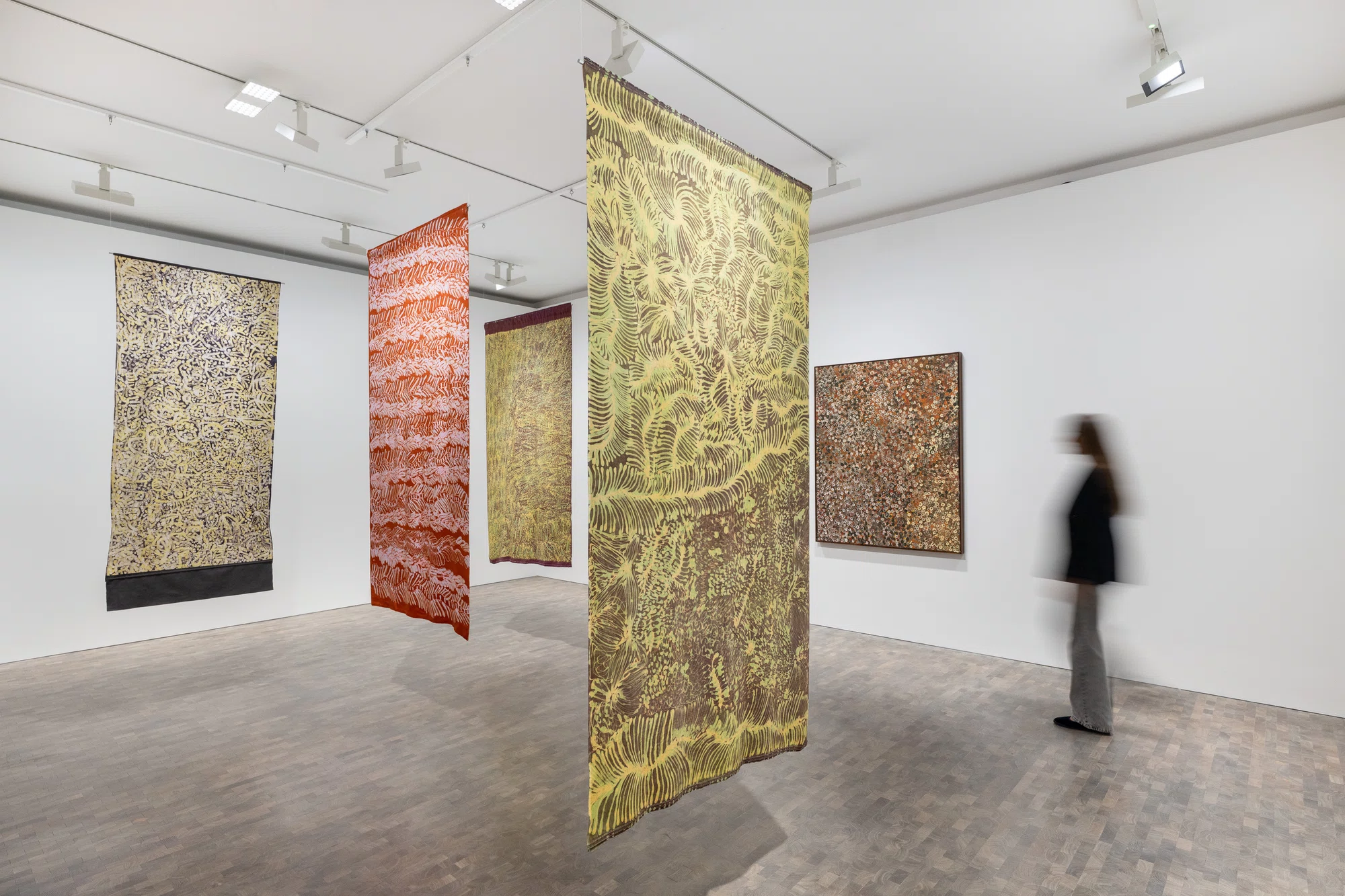
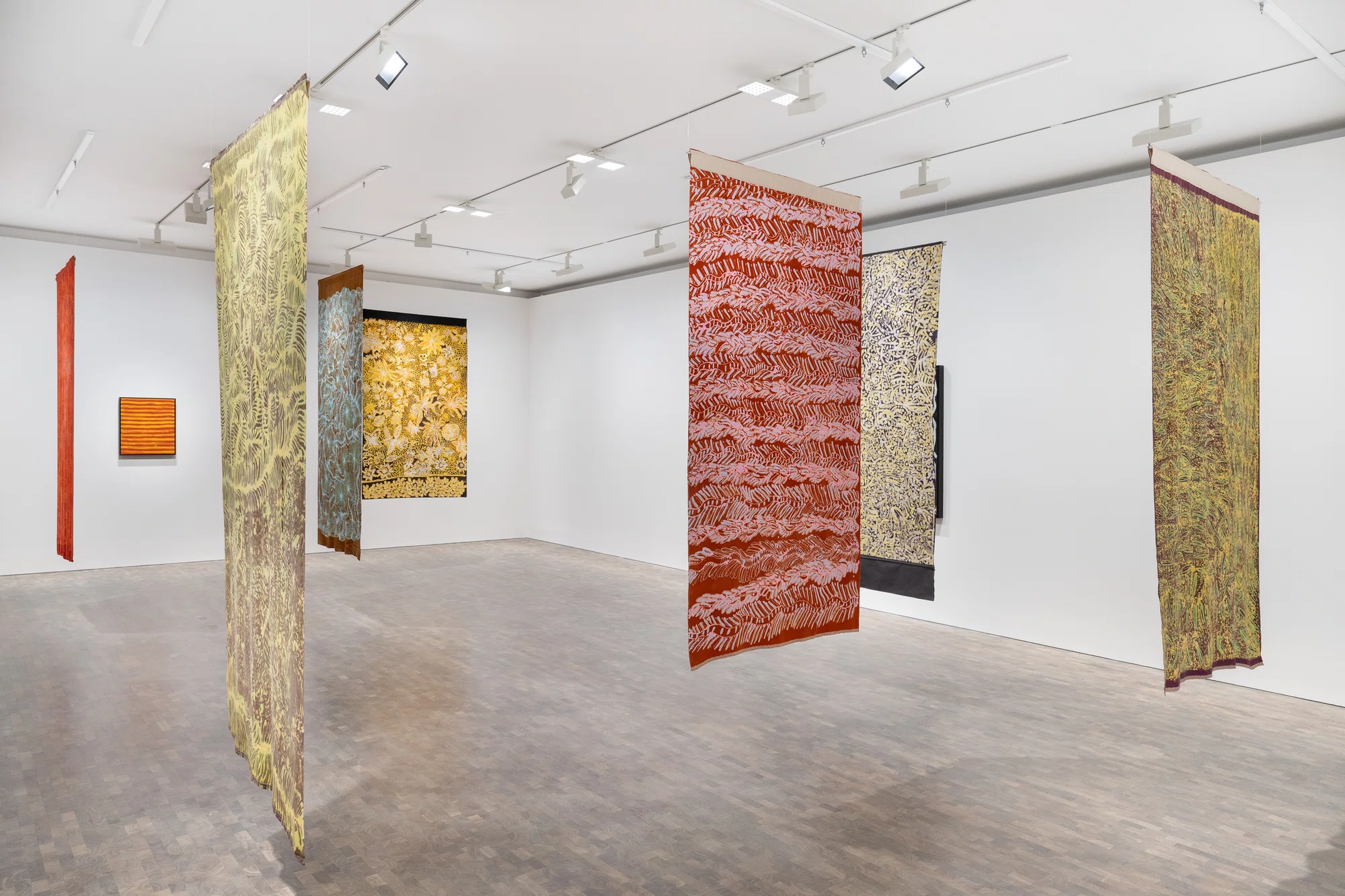
Pace is honored to present an exhibition of works by renowned Australian artist Emily Kam Kngwarray, in collaboration with D’Lan Contemporary, at its London gallery this summer. The show—titled MyCountry—opens on June 6 and runs through August 8, coinciding with Tate Modern’s major survey of the artist, which will open in July.
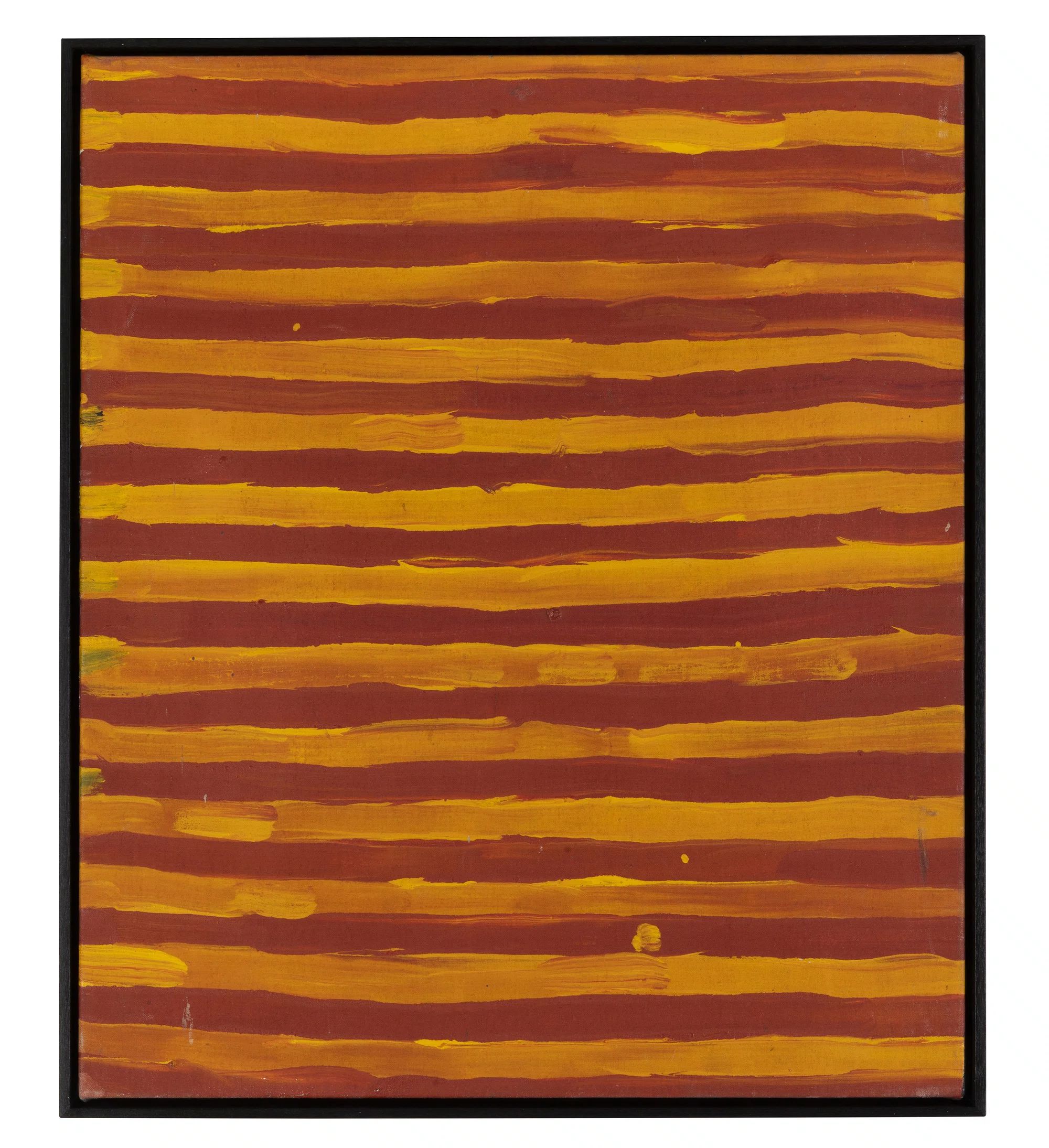
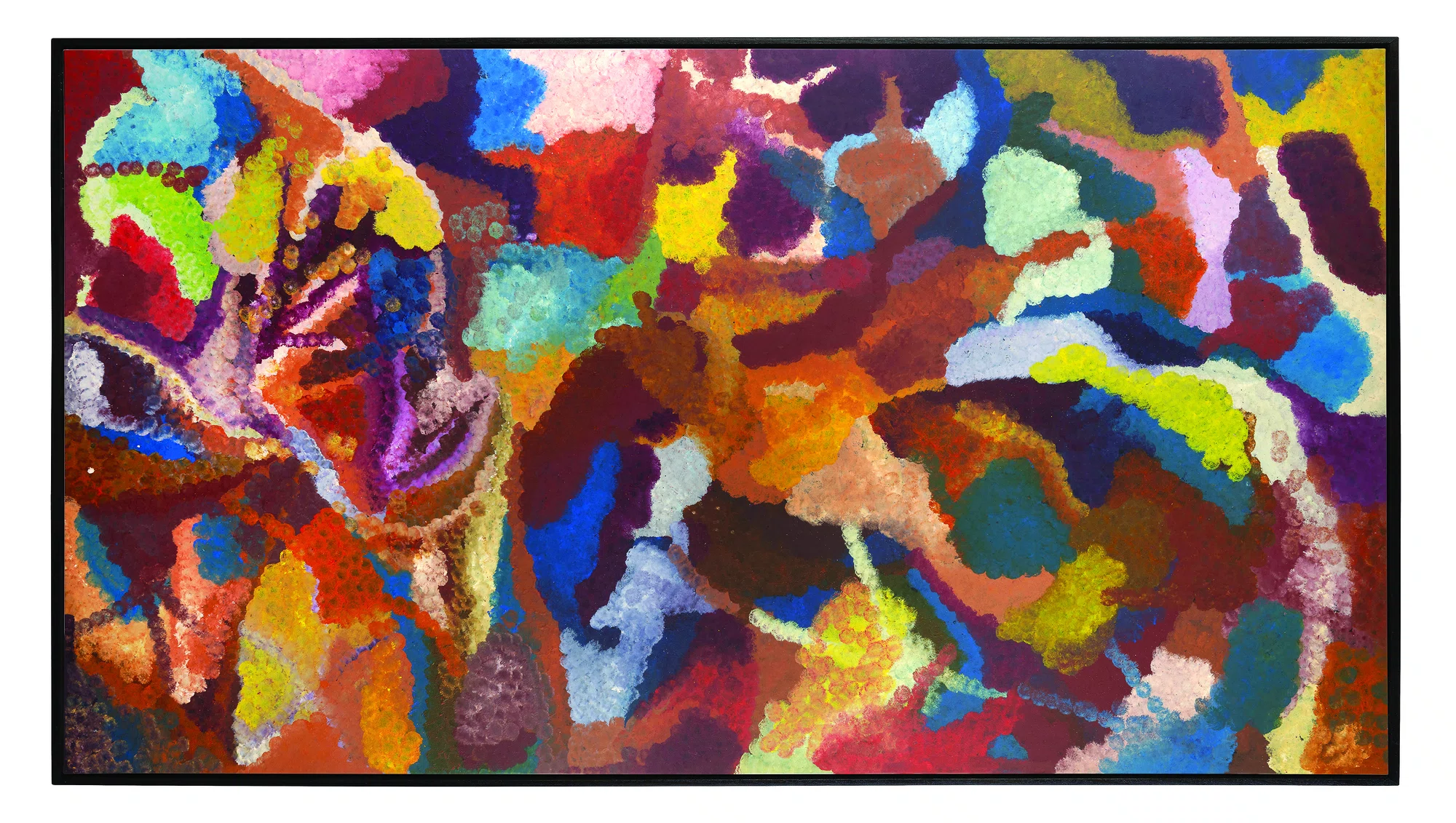
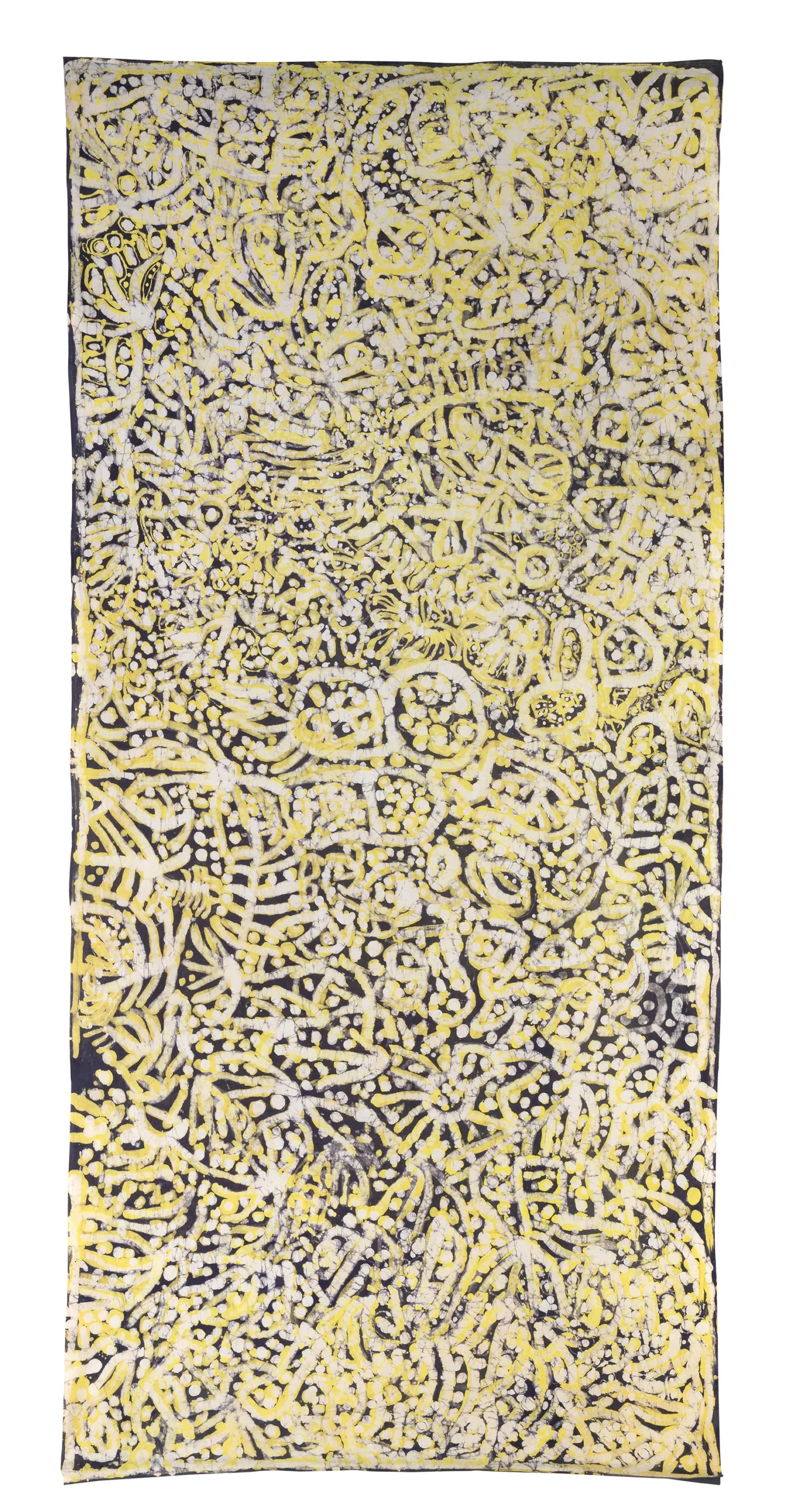
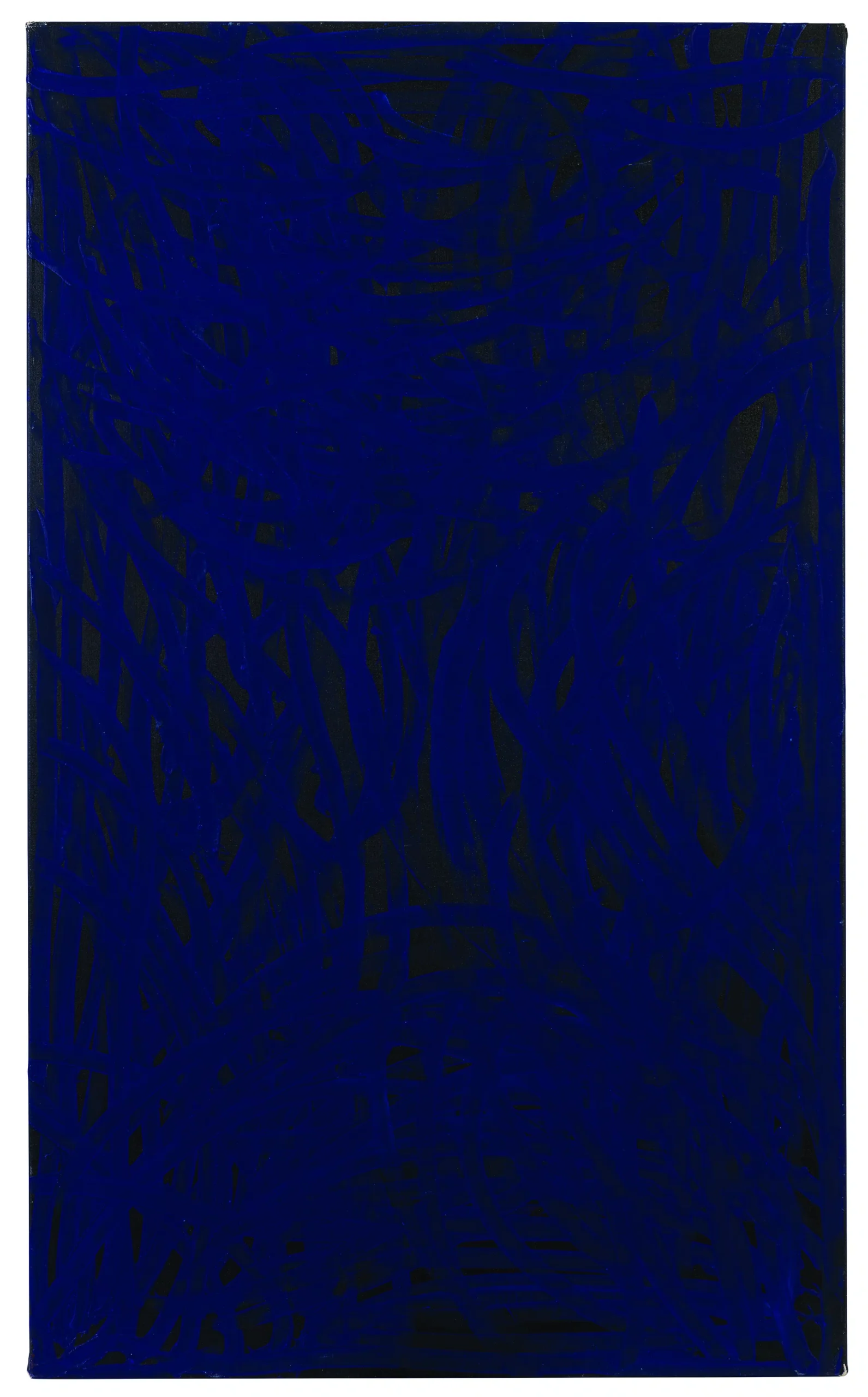
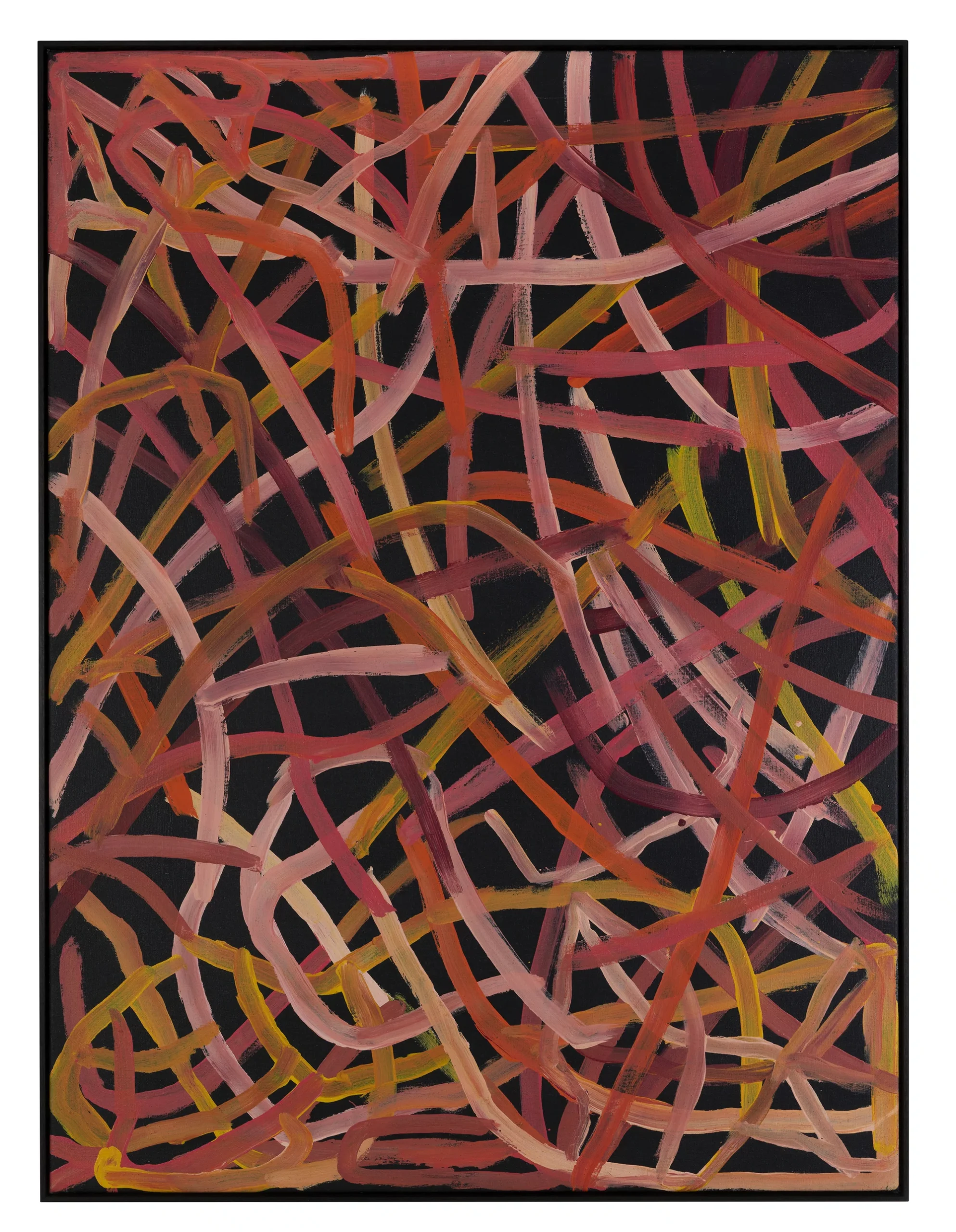
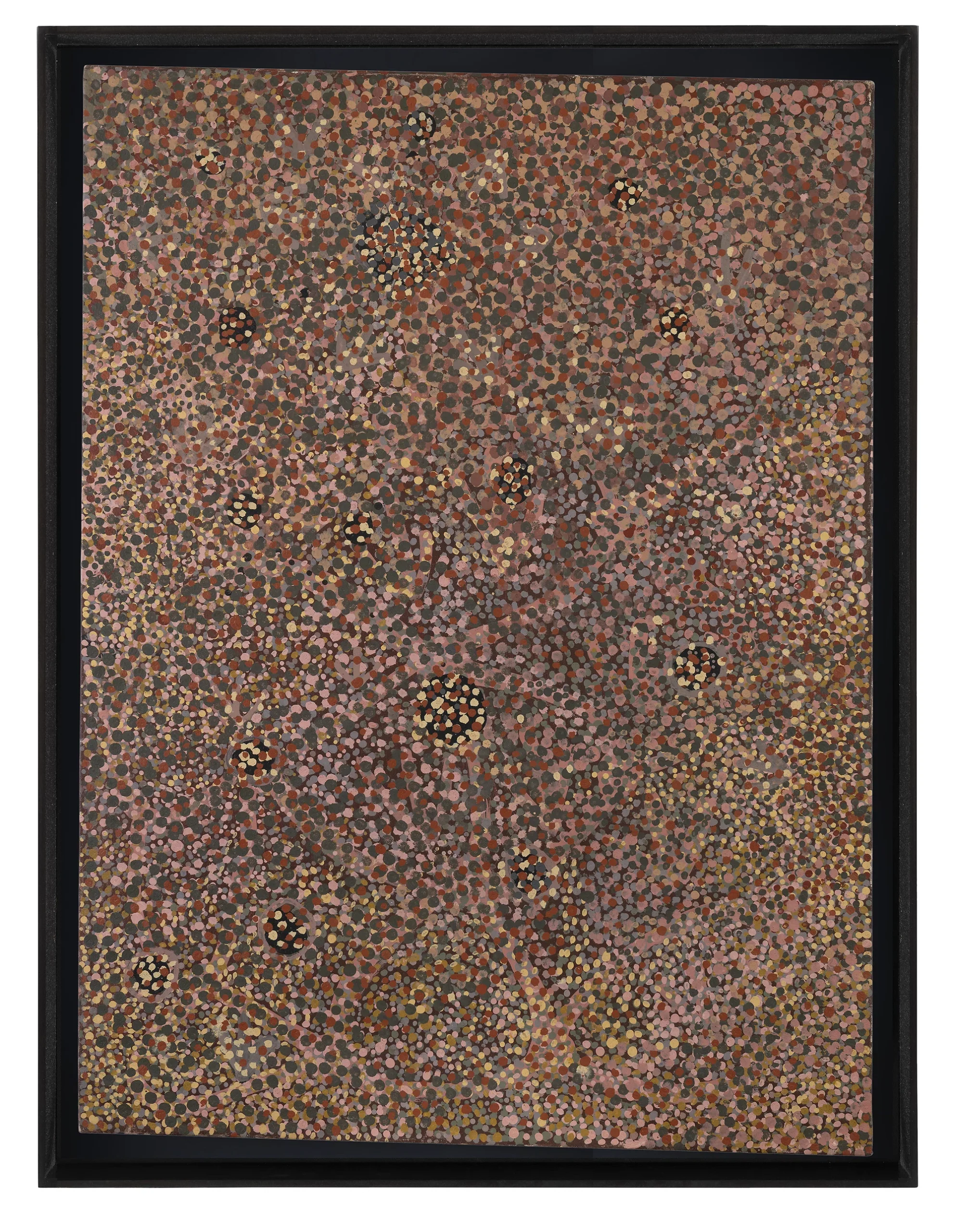
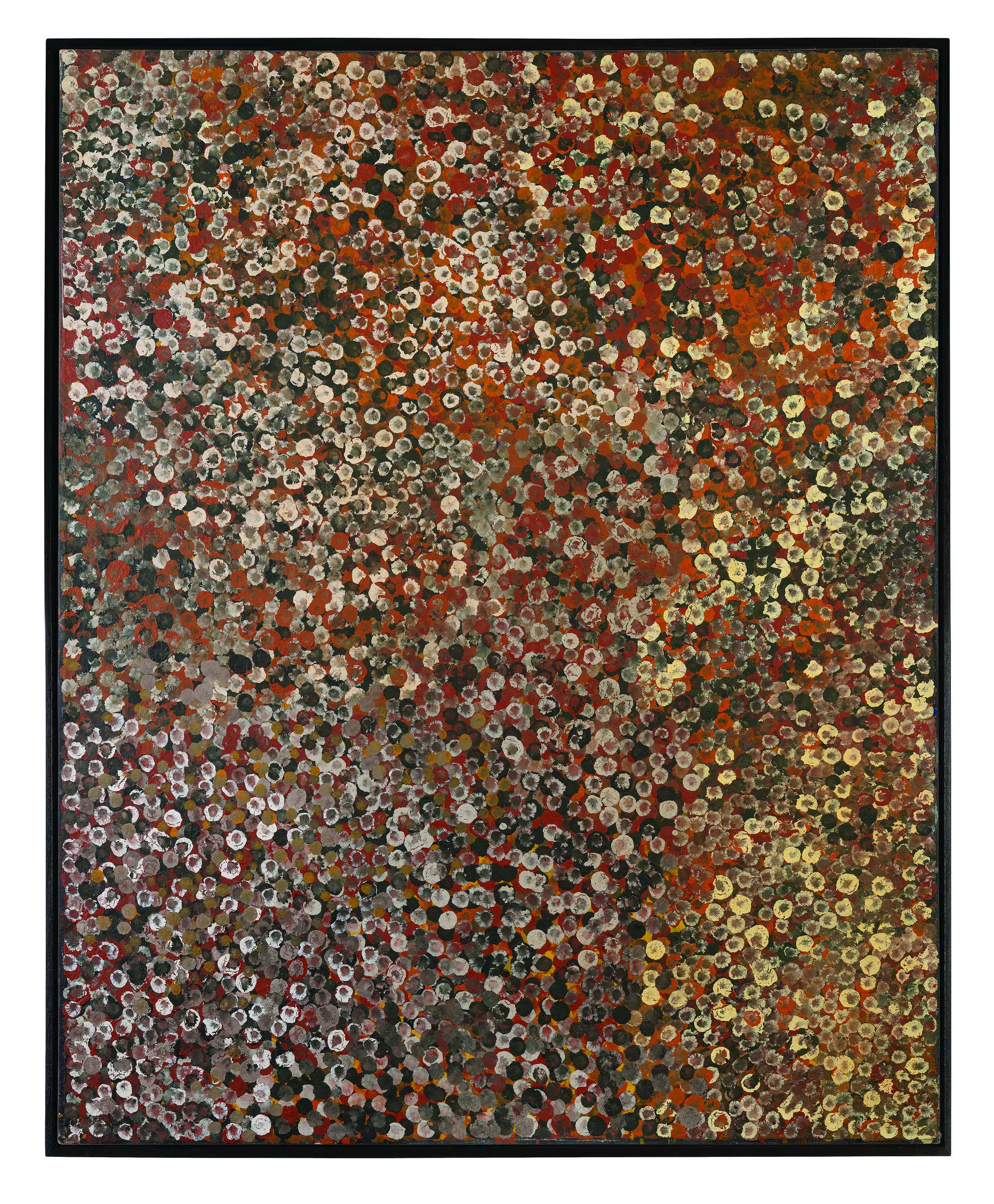
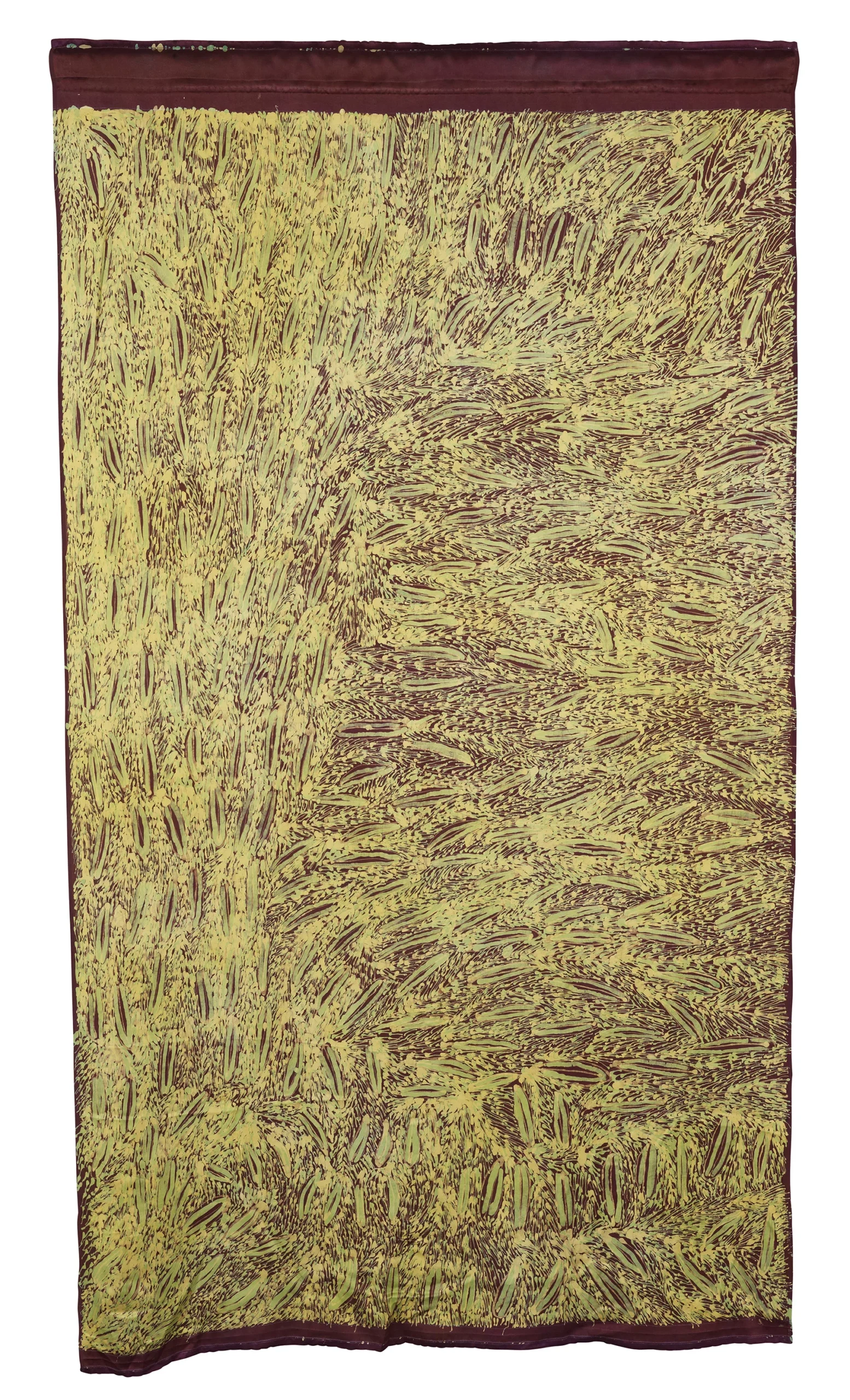
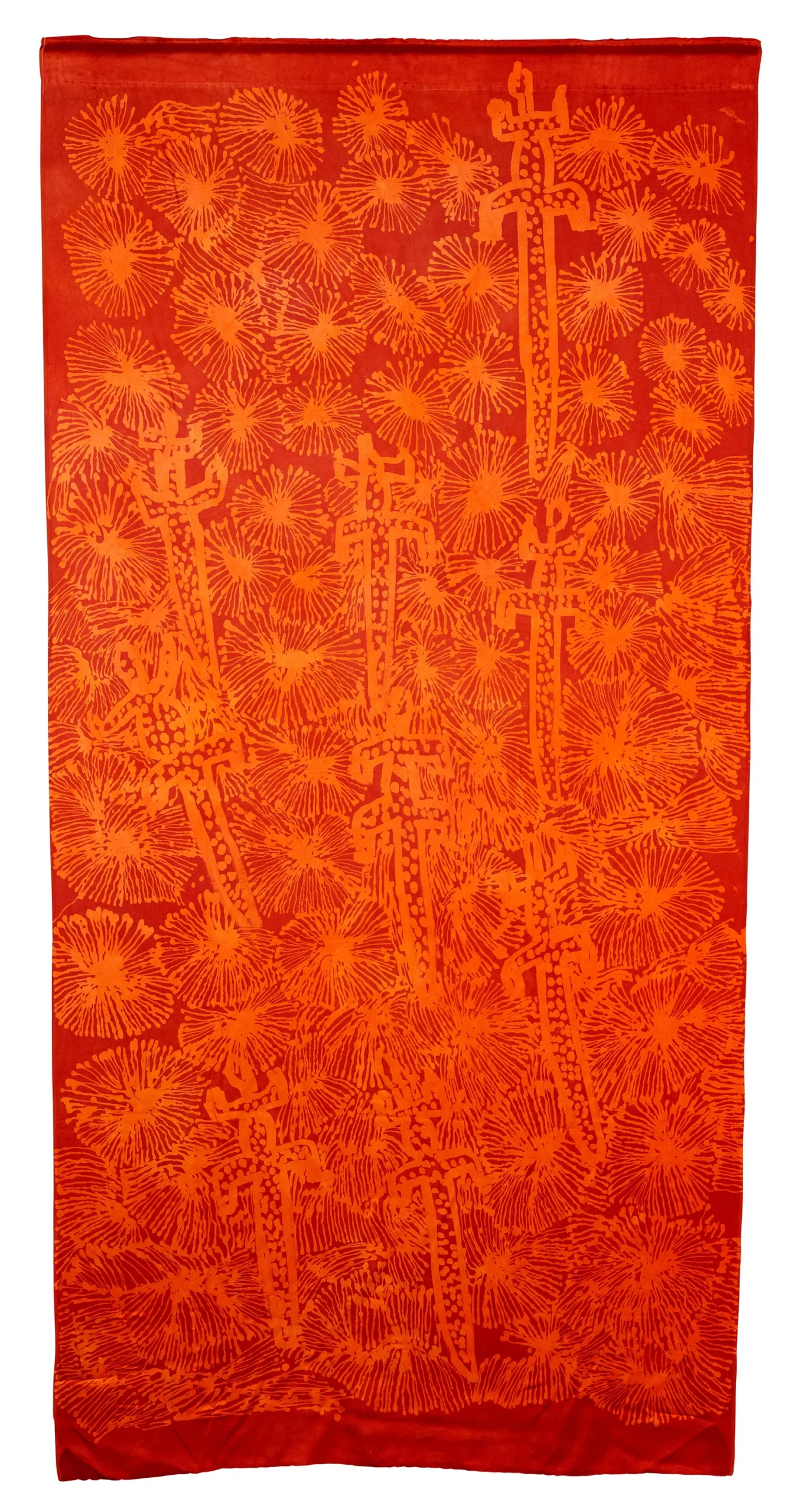
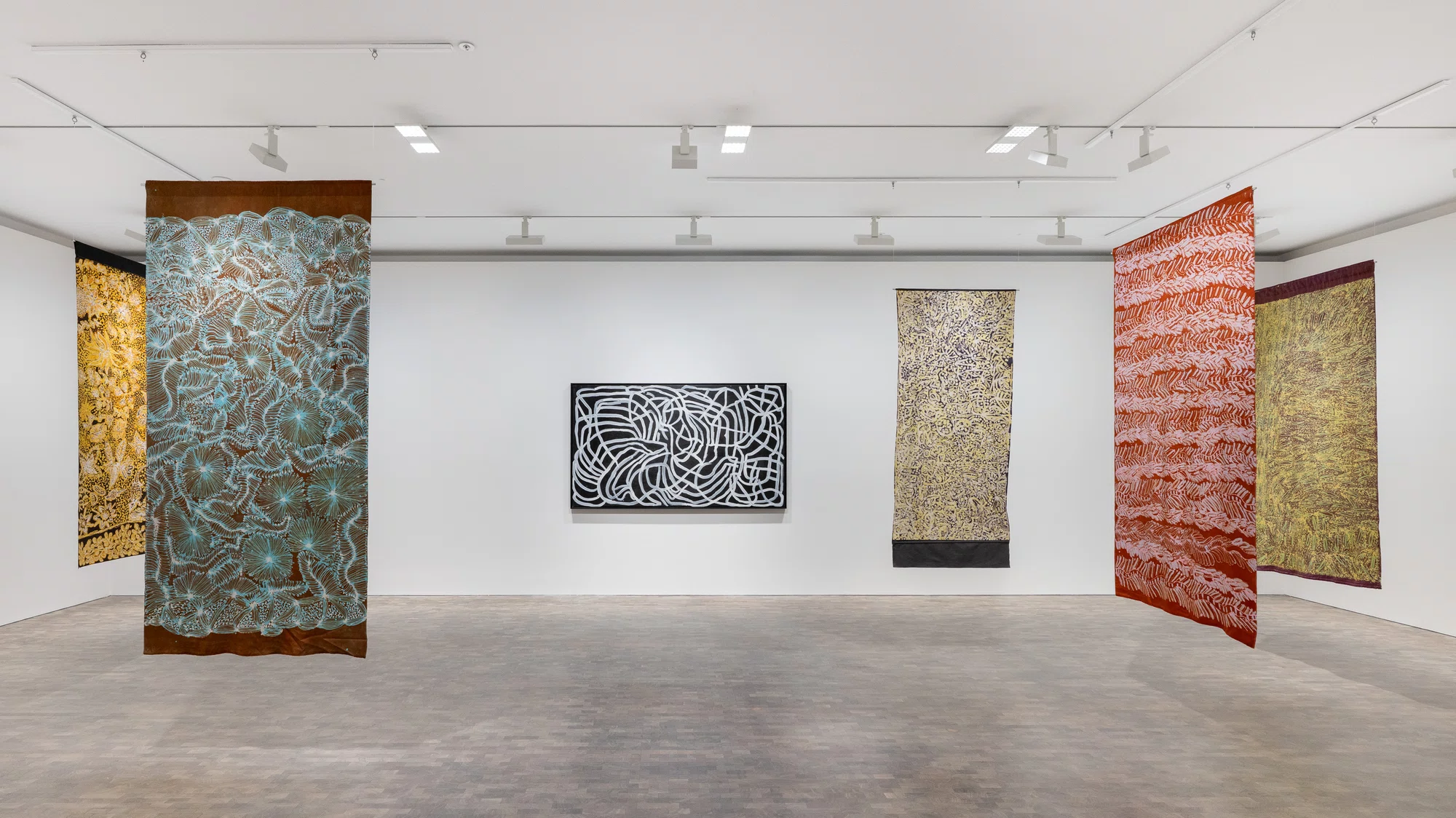
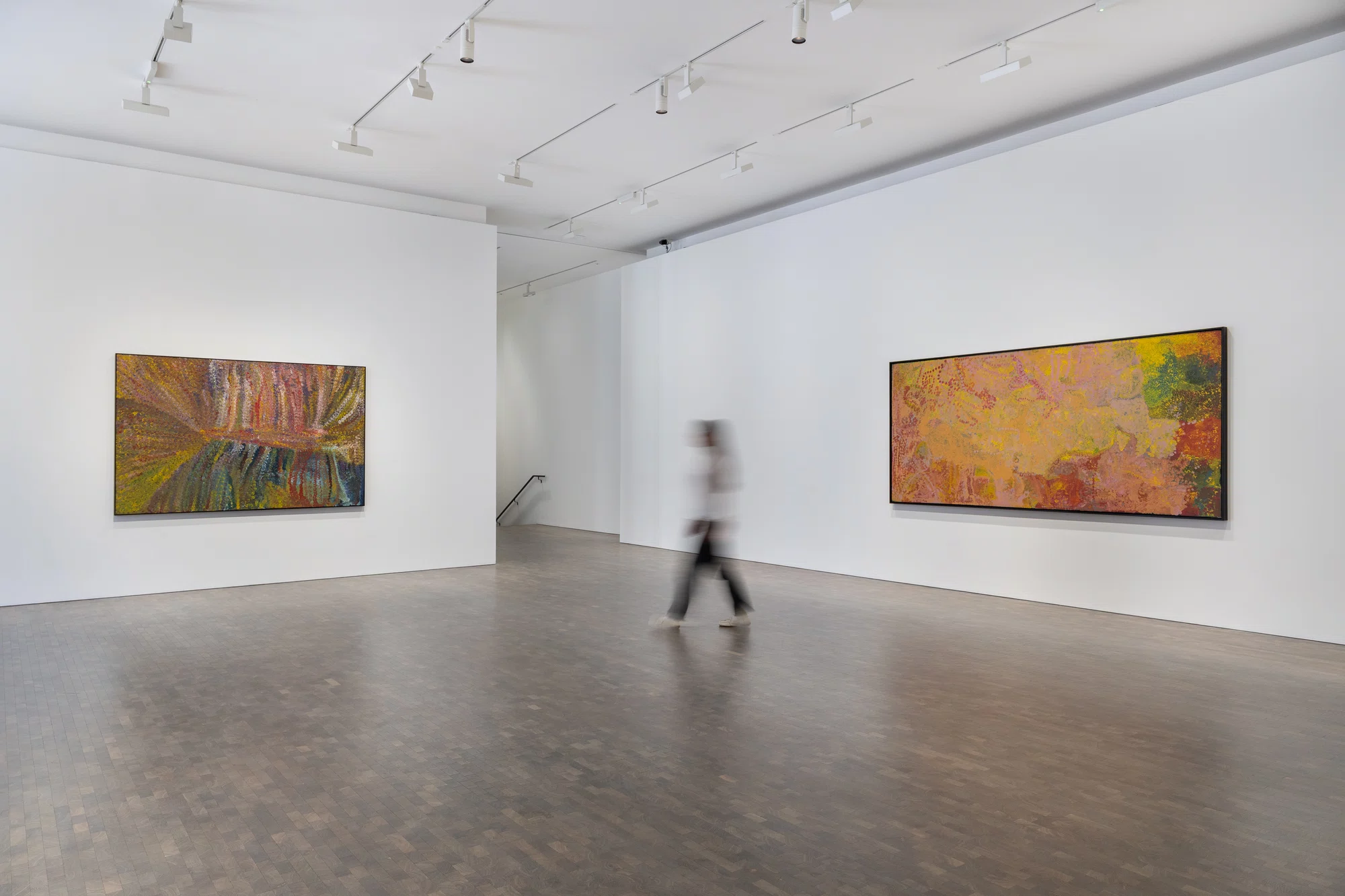
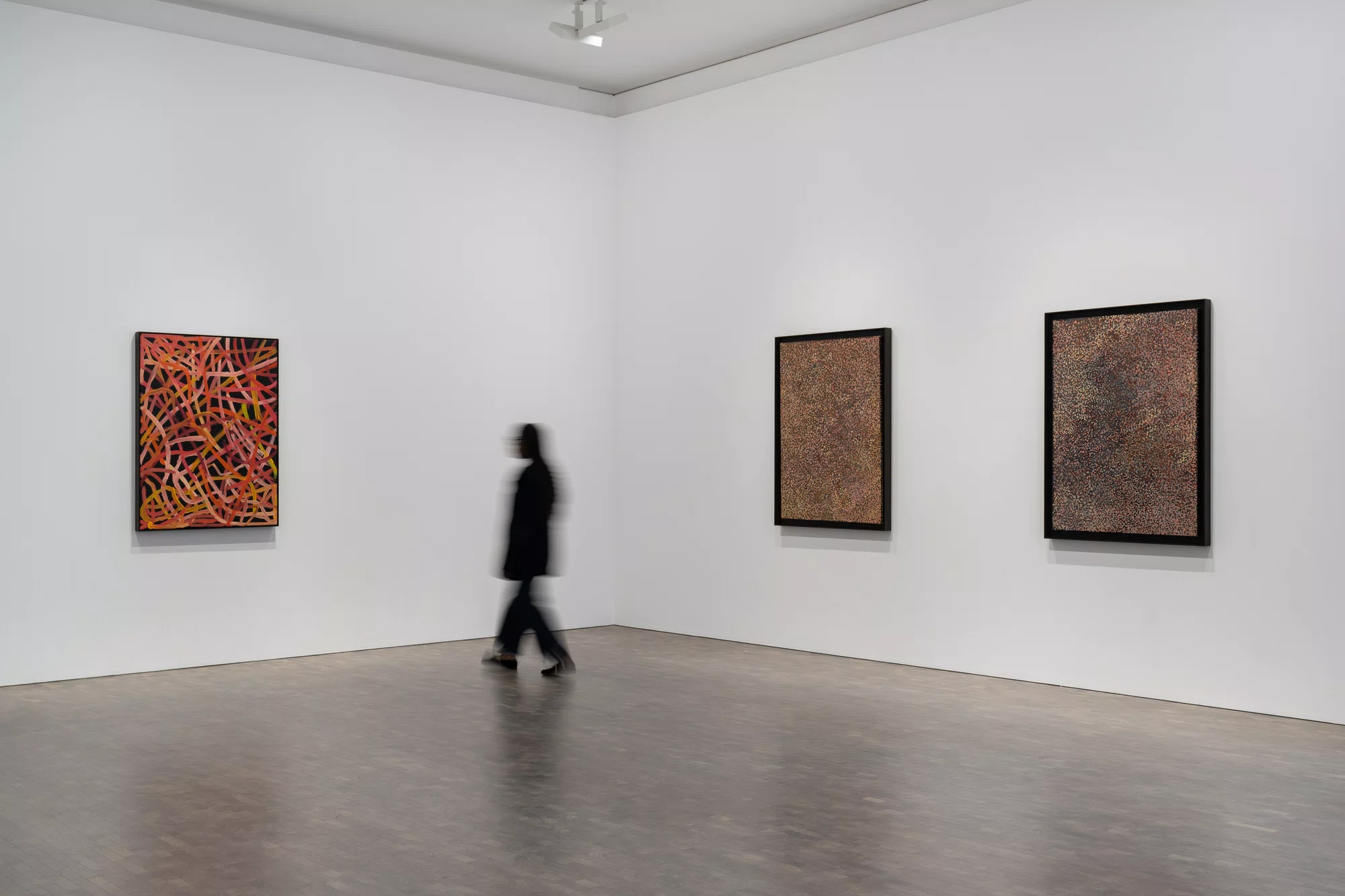
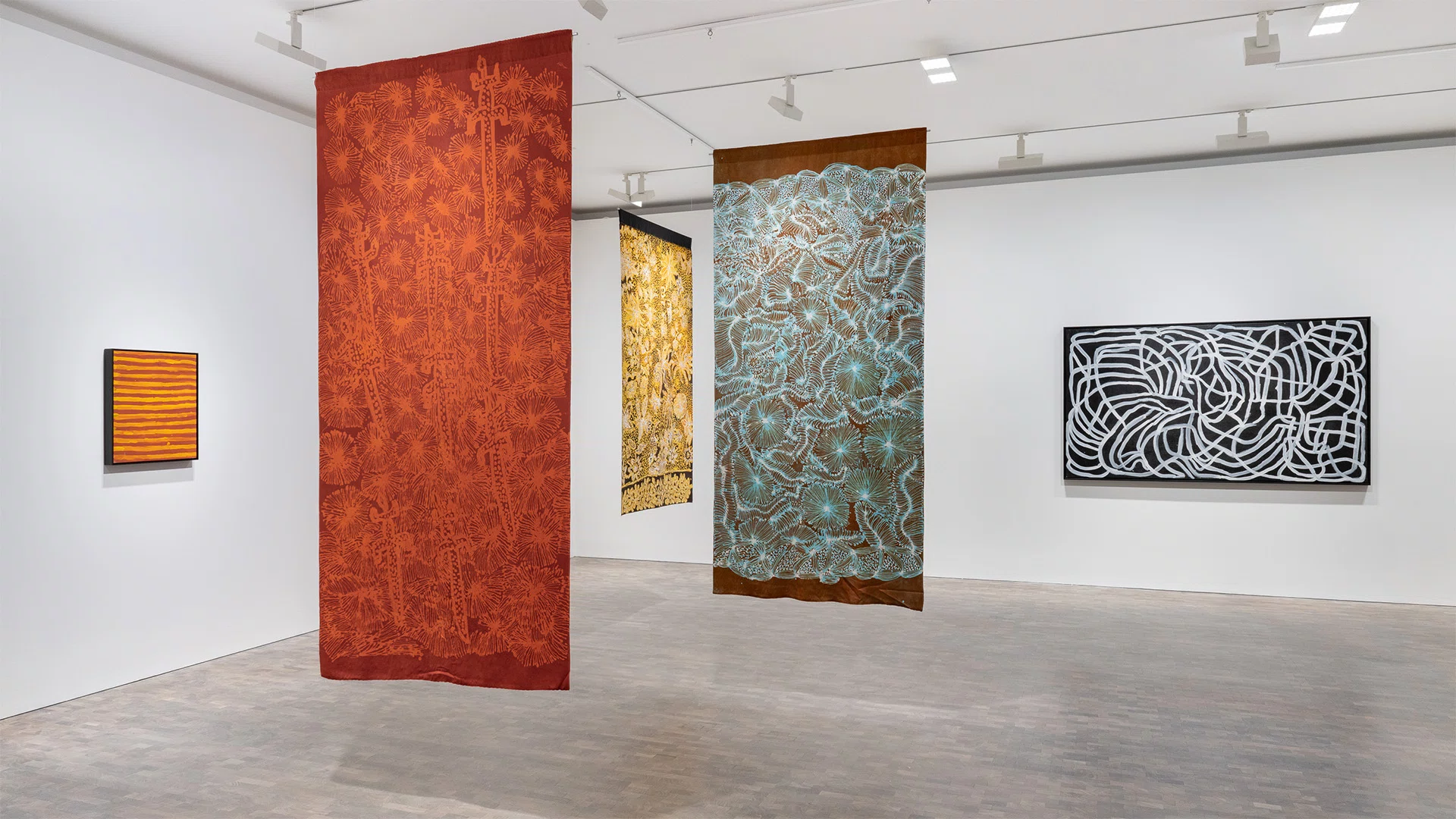
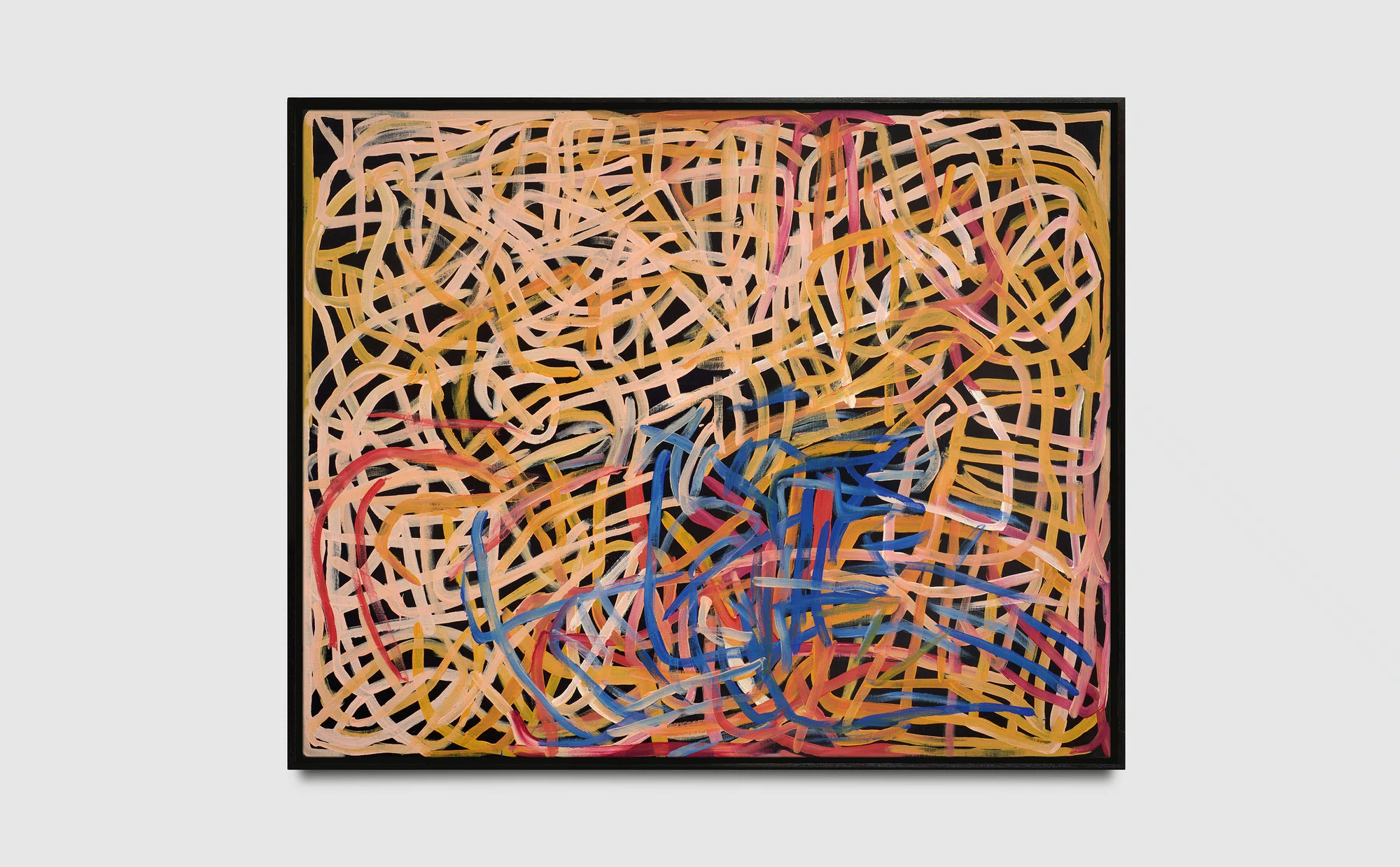
My Country will trace Kngwarray’s artistic evolution from her early organic forms to her later vibrant, dot-filled color fields, culminating in the minimalist compositions that defined her mature work. To reflect her profound influence on Aboriginal and Torres Strait Islander artists, as well as on women artists and the broader Australian art landscape, the exhibition will also include historical and contemporary batiks by artists inspired by Kngwarray’s pioneering practice.
Emily Kam Kngwarray (ca. 1914–96) is one of Australia’s most critically acclaimed contemporary artists. Her use of new art media began in the 1970s, when she was introduced to batik at Ankerrapw (Utopia Station homestead) in Australia’s Northern Territory.After developing a distinctive style with little external influence, she shifted from batik to acrylic on canvas in 1988, marking the start of an extraordinary eight-year painting career during which she is estimated to have created around 3,000 works.
An Elder of the Anmatyerr people and custodian of her ancestral Country, Alhalker, Kngwarray produced vivid, deeply personal works that express the ancestral and ecological relationships that continue to shape her land. For Aboriginal and Torres Strait Islander people, the term Country encompasses not only the physical terrain but also waters, skies, and all living beings, together with the cultural, spiritual, and familial responsibilities that connect them. Kngwarray’s practice was rooted in the Dreaming: a dynamic, lived worldview in which ancestral creation stories and laws animate the land, its people, and their connections. Her paintings do more than depict these forces; they embody them, giving visual form to the rhythms and energies of her Country.
Alhalker Country is ours—so is the anwerlarr yam. I paint my plant, the one I am named after—those seeds I am named after. Kam is its name. Kam. I am named after the anwerlarr plant. I am Kam!
Emily Kam Kngwarray quoted in Jennifer Green, “The life and legacy of Emily Kam Kngwarray” in Emily Kam Kngwarray, ed. Kelli Cole, Jennifer Green, and Hetti Perkins (National Gallery of Australia, 2023), 150.
Films
A Constant Searching: Tracing Emily Kam Kngwarray’s Visionary Practice
Vanessa Merlino, Head of Research at D’Lan Contemporary, offers insights into the ways that Kngwarray’s works give visual form to the rhythms, energies, and traditions of her ancestral Country, Alhalker, in the Northern Territory of Australia. “With her work, it’s not about a singular painting. It’s about this journey, it’s about this constant searching,” Merlino says.
Essays
Encountering Kngwarray
by Anne Brody
The twelve works by Emily Kam Kngwarray in My Country skip across the surface of the artist’s brilliant oeuvre like stones across a pond, suspended above the ripple of circumstance, art, and genius that shaped the artist’s career.
Thirty years on, and notwithstanding three major surveys, Kngwarray’s oeuvre remains largely unexamined in any great detail. In her case, a catalogue raisonné represents a challenging art historical project, an almost “too big” story. Unlike many artists who largely work sequentially with their commissioners, patrons, and gallerists, Kngwarray’s essential practice—particularly in the second half of her career—was to paint for more than one commissioner at the same time. As her career reached its halfway mark in 1992, the field of people wanting to obtain work from Kngwarray exponentially increased along with her ever-advancing popularity and the demand for her work.
Tracking sequences and the threads of process and practice is a routine aspect of mapping the works of any artist—until, in the case of Kngwarray, you find yourself amidst prodigious numbers and a highly-compressed chronology, both routinely, if vaguely, cited at around 3000 or more works in 8 years. Yet, nothing about Kngwarray’s oeuvre or its diverse commissioning origins is typical. Not only was she an original and energetic visual thinker, she also pioneered new ways of working freelance with commissioning agents—all without the support of an art center.
Checklist