Pwerle Sisters
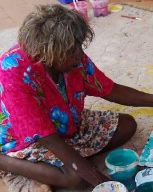
The Pwerle Sisters—comprising Minnie, Emily, Molly, and Galya Pwerle—were an extraordinary quartet of senior Anmatyerre and Alyawarre women artists from Atnwengerrp in the remote Utopia region of Central Australia. Together, they represent one of the most culturally powerful and internationally celebrated family dynasties in contemporary Indigenous Australian art.
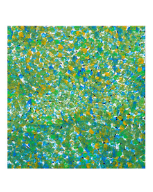
While they shared a deep custody of the exact same ancestral country, they each channelled their spiritual obligations into distinct, highly sought-after individual aesthetics.
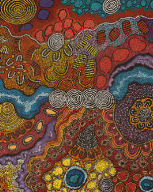
The Four Sisters & Their Styles
Minnie Pwerle (c. 1910–2006)
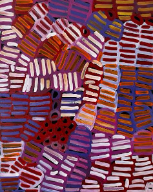
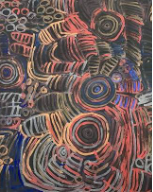
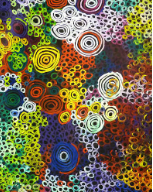
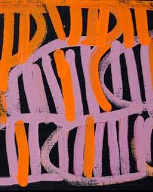
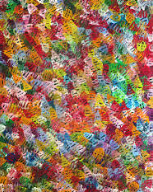
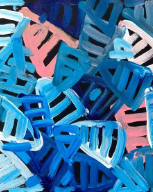
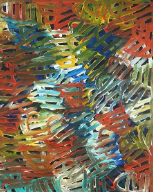
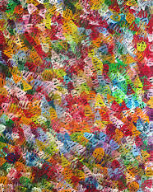
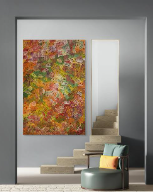
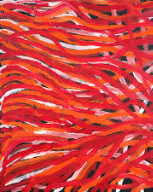
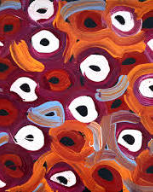
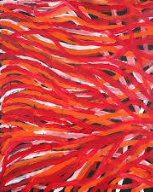
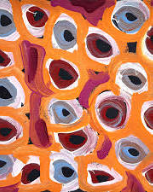
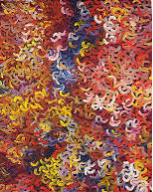
The eldest and most globally famous sister, Minnie did not start painting on canvas until she was roughly 80 years old. Her rise was meteoric. Her style features wild, fluid, and exceptionally expressive sweeping brushstrokes representing Awelye (women’s body paint) alongside interlocking circular motifs depicting Anemangkerr (bush melon seeds). Her raw, uninhibited use of bright, contrasting acrylic paint caused a massive stir in the global contemporary art world.
Emily Pwerle (c. 1922–2022)
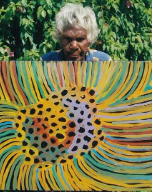
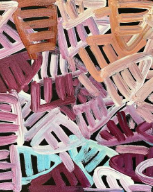
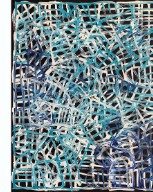
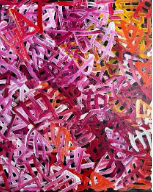
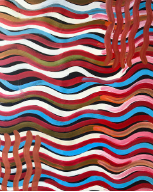
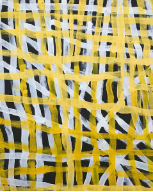
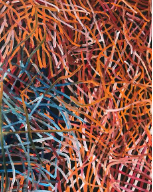
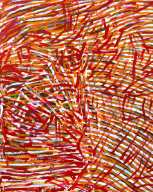
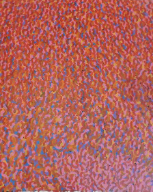
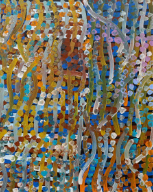
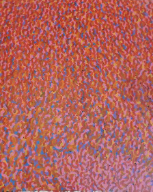
Encouraged by her niece (Minnie’s daughter, the famous artist Barbara Weir), Emily began her formal studio practice in 2004 alongside Molly and Galya. Emily’s work is characterized by highly structural, dense networks of linear configurations and tracks layered with intense dot patterns. Her lines are sharper and often tighter than Minnie’s, capturing the rhythmic movement of sand-dancing patterns executed during sacred women’s ceremonies.
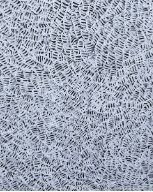
Molly Pwerle (c. 1920–2024)
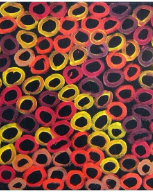
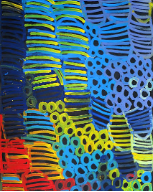
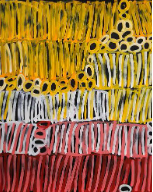
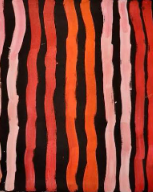
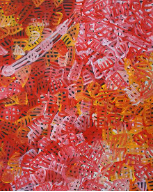
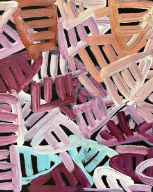
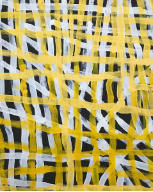
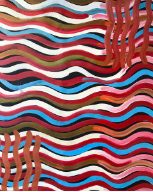
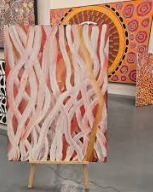
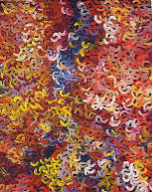
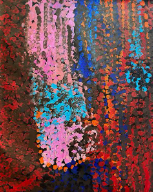
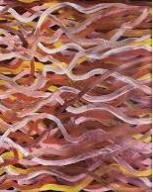
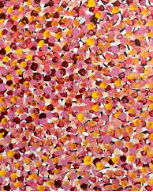
As a senior “boss woman” and a crucial cultural anchor of Atnwengerrp, Molly’s visual style leaned into long, undulating, parallel structural ribbons. Her paintings are instantly recognizable for their bold, rhythmic waves that echo the physical application of heavy ochre onto the skin during ceremonies. She frequently restricted her palette to contrasting, complementary dual-tones (like fiery reds and deep black, or bright yellows and white).
Galya Pwerle (born c. 1930)
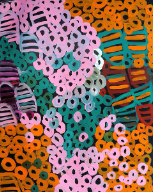
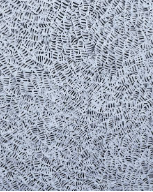
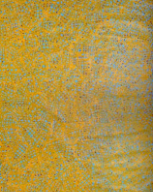
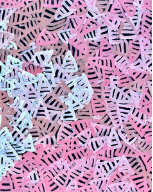
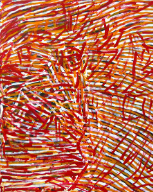
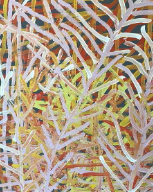
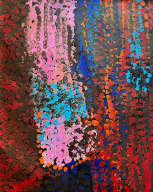
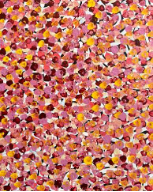
The youngest and last surviving of the original four sisters, Galya’s approach is often described as the most abstract and delicate. Her signature technique involves painting fine, subtle base structures of Awelye ceremonial markings, which she then completely overlays with multi-layered, kaleidoscopic blankets of pointillist dots. This gives her canvases a shimmering, translucent quality, mimicking the visual haze of the hot central desert landscape.
Core Cultural Themes: Awelye Atnwengerrp
Despite their varied visual executions, all four sisters painted the Awelye Atnwengerrp Dreaming. This represents the complex interconnectedness of women’s sacred law, desert food systems, and land custodianship:
- Body Paint: The lines and patterns represent the markings painted onto the upper torso, breasts, and thighs of women using red ochre, white clay, and charcoal before public and secret ceremonies.
- Flora & Ecology: Their works track the life cycle of key desert survival elements, particularly the Bush Melon (Anemangkerr) and the Bush Yam, tracing their root paths, tracking lines left in the sand, and seed dispersal.
Collective Legacy
In January 2006, the four sisters made Australian art history when their works were exhibited together for the very first time in a landmark group showcase. Just two months later, Minnie passed away, solidifying that brief window as a monumental chapter in the history of the Utopia art movement. Their lineage continues to push boundaries today through subsequent generations, including Minnie’s granddaughters Jade Akamarre and Charmaine Pwerle.
Would you like to explore Minnie Pwerle’s relationship with Emily Kame Kngwarreye, or should we look at the next generation of the family dynasty, like Barbara Weir or Charmaine Pwerle?

Nov 25, 2012
4 PWERLE SISTERS WOMEN’S CEREMONIES 2005 synthetic
Aboriginal Gallery of Dreamings
Passed
Share